Einzelausstellung
Stille Beugung Diffraction Patterns
Galerie Judith Andreae, Bonn
23. November 2025 bis 14. Februar 2026
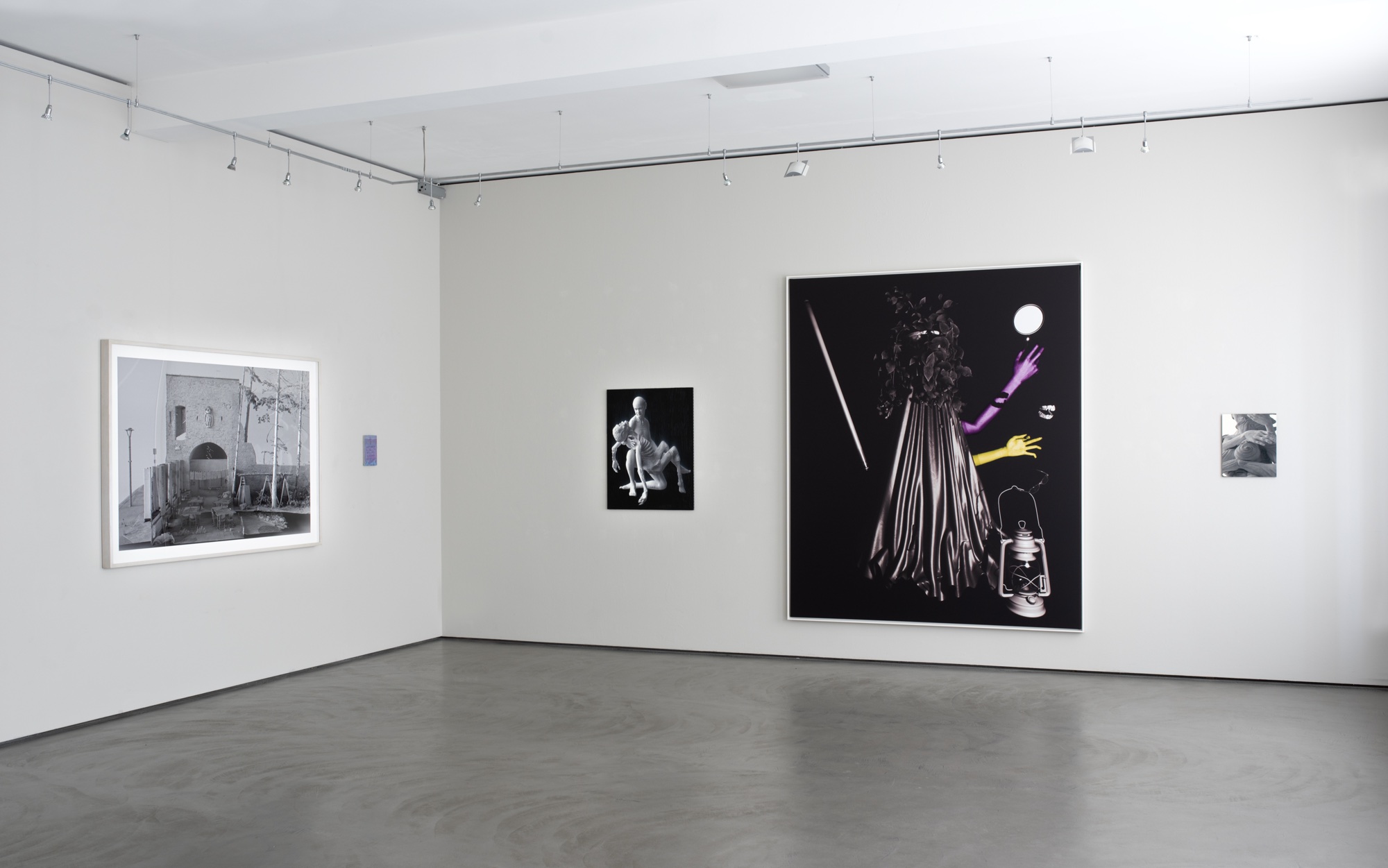
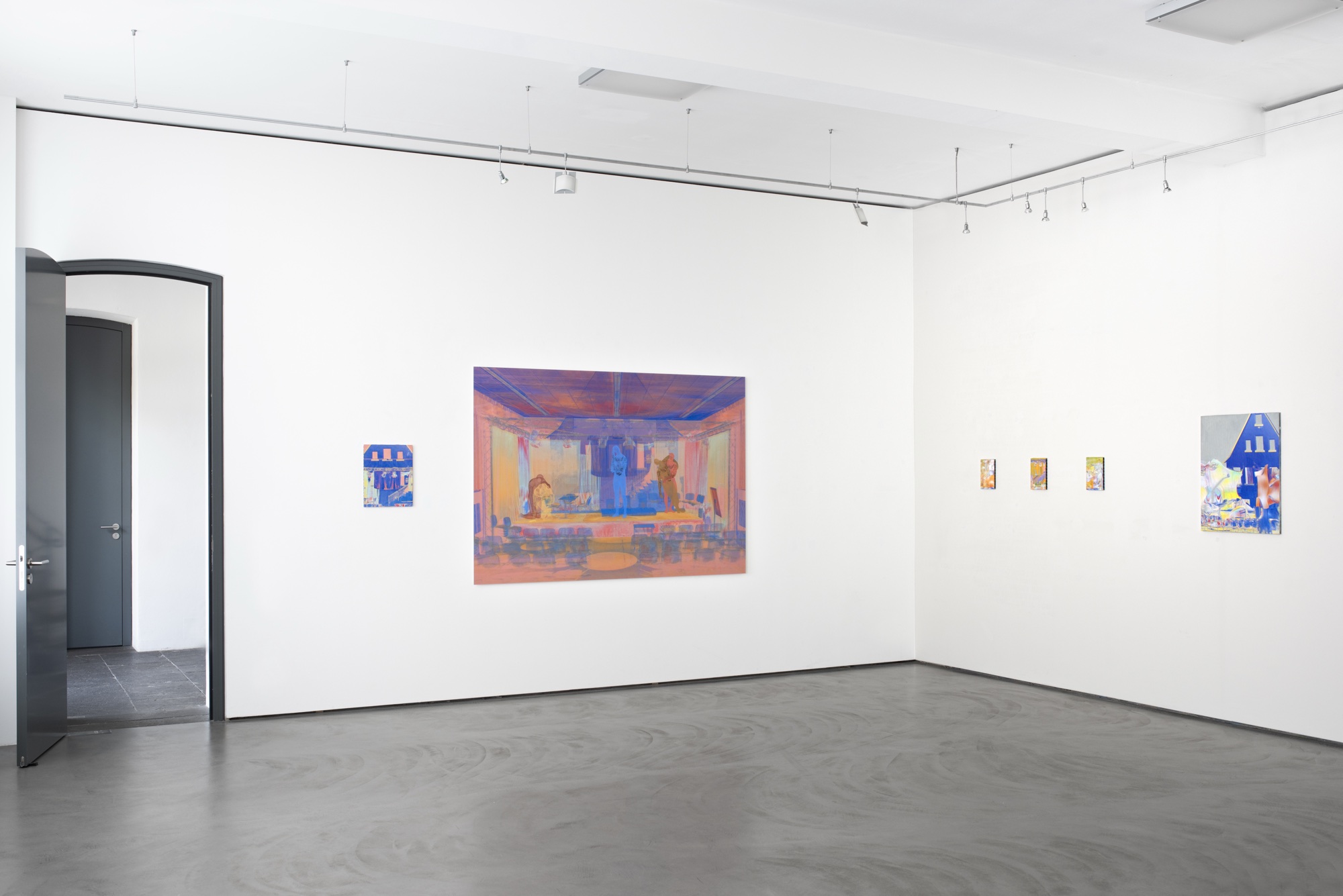
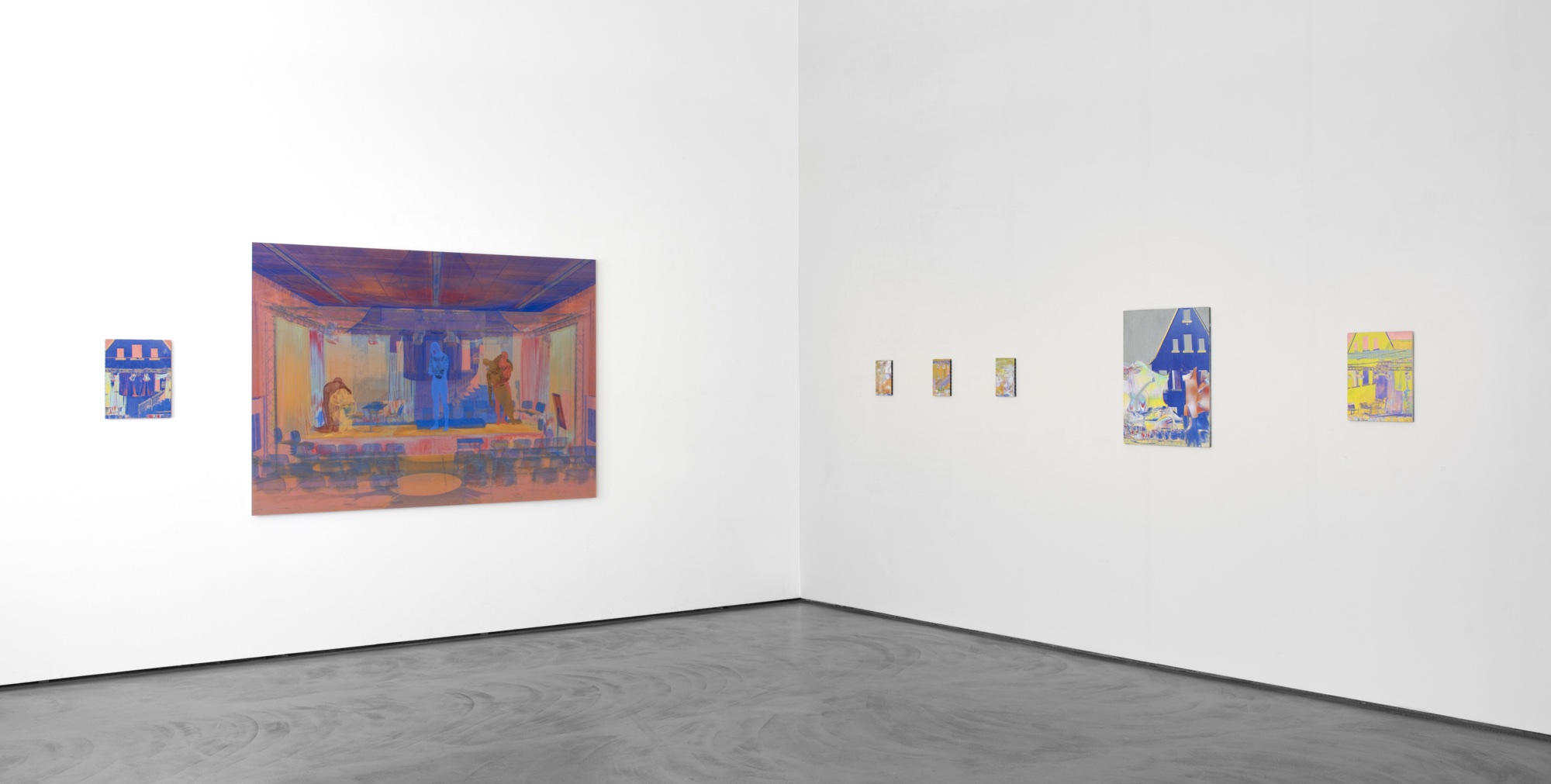
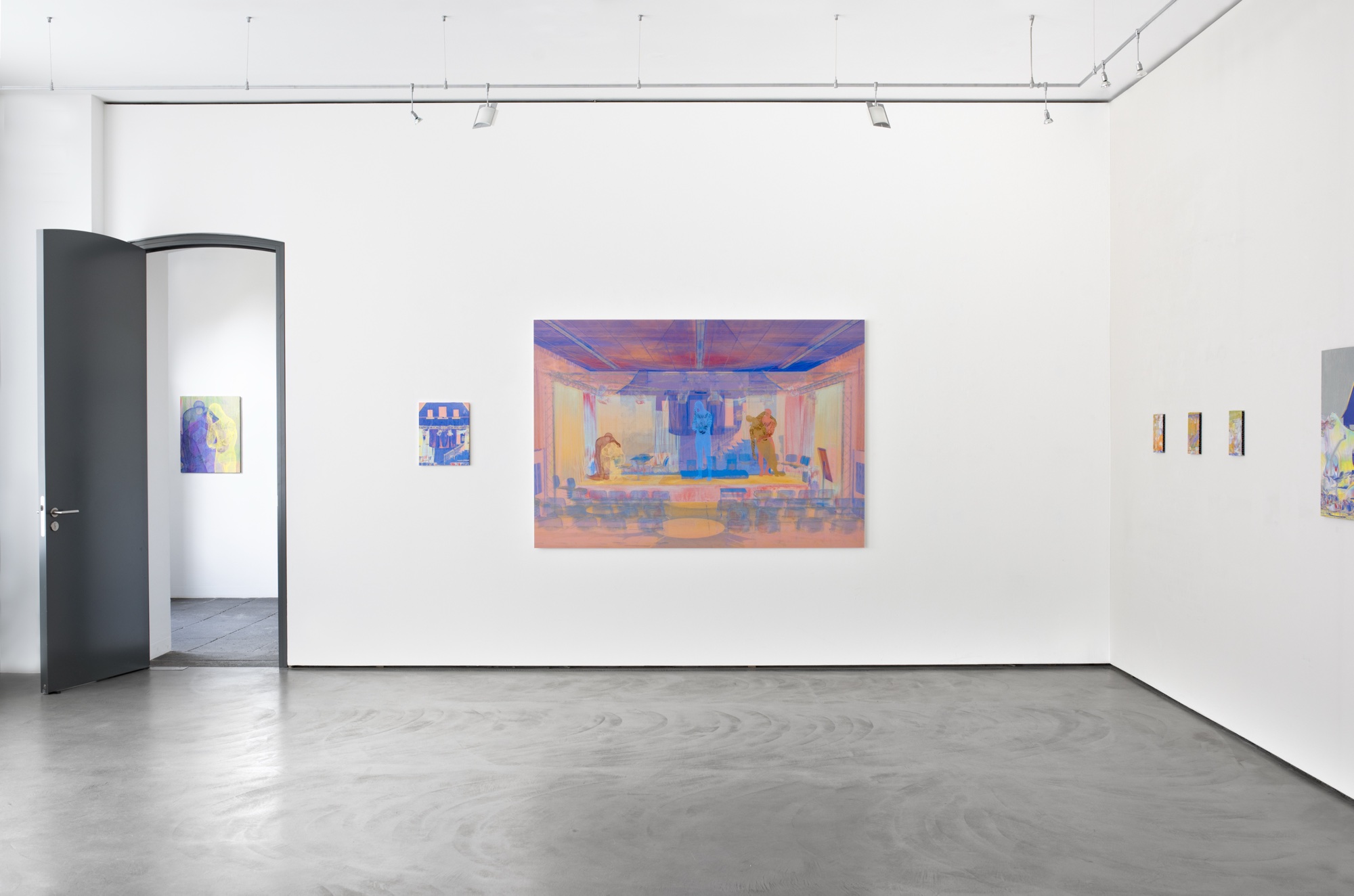
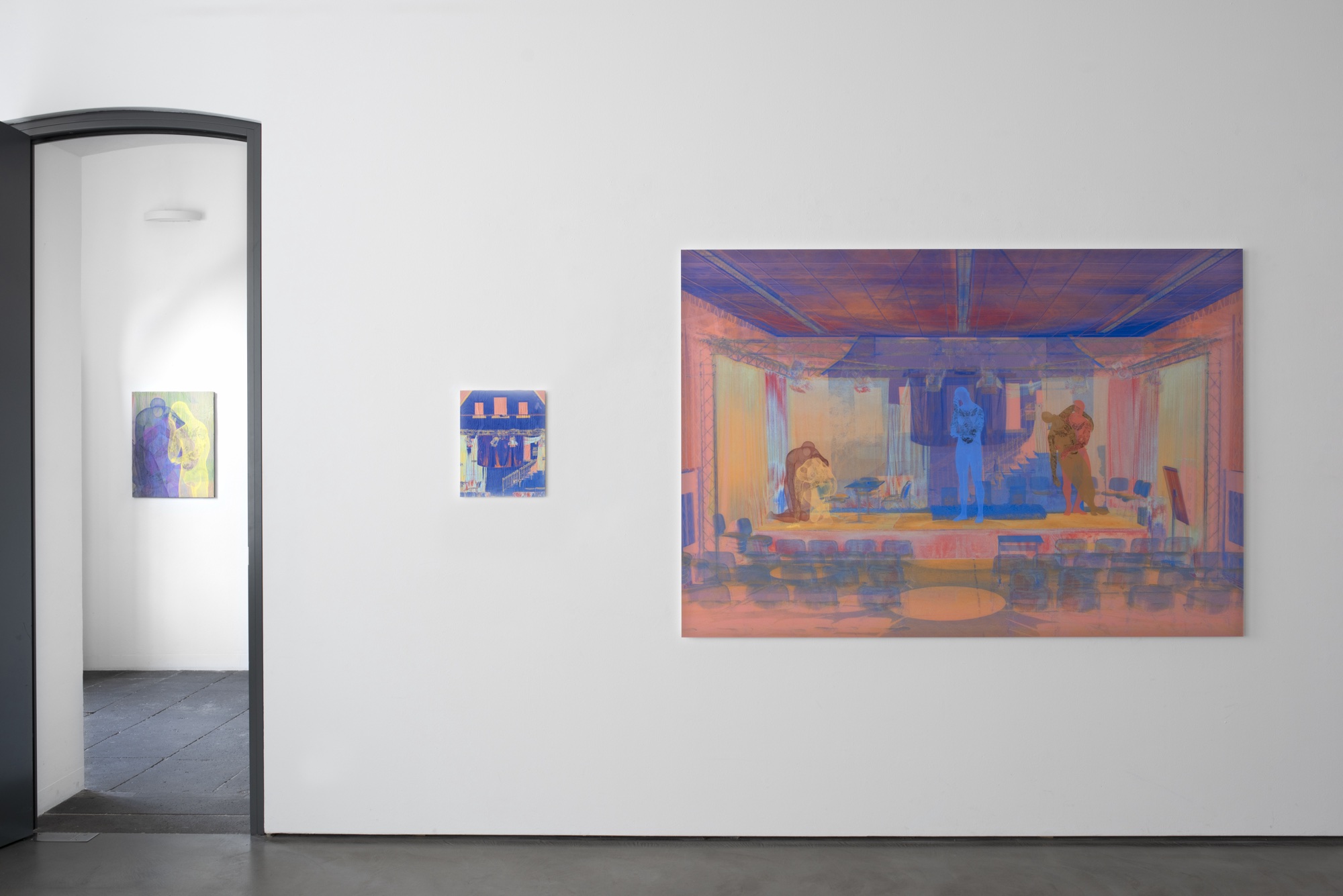
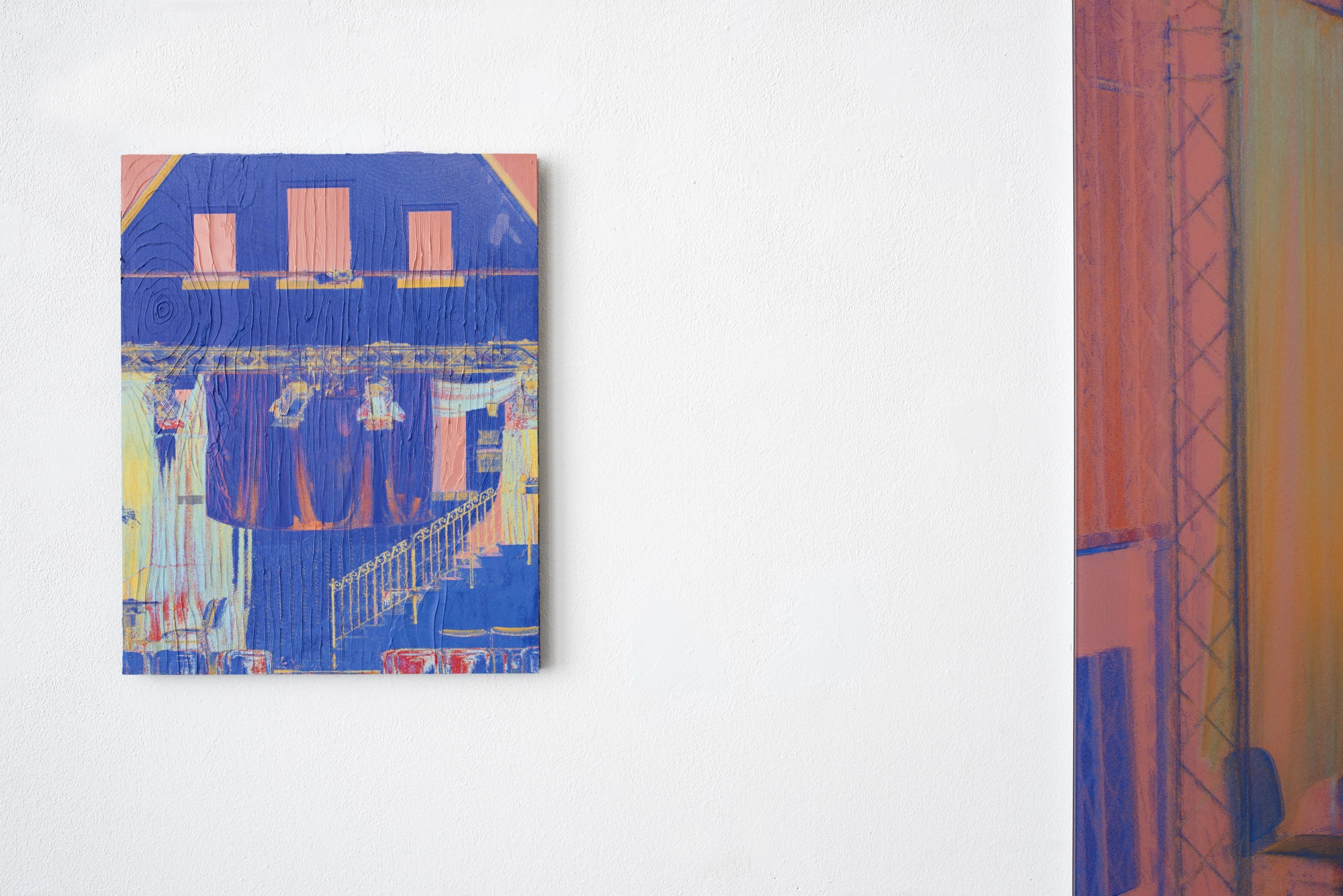
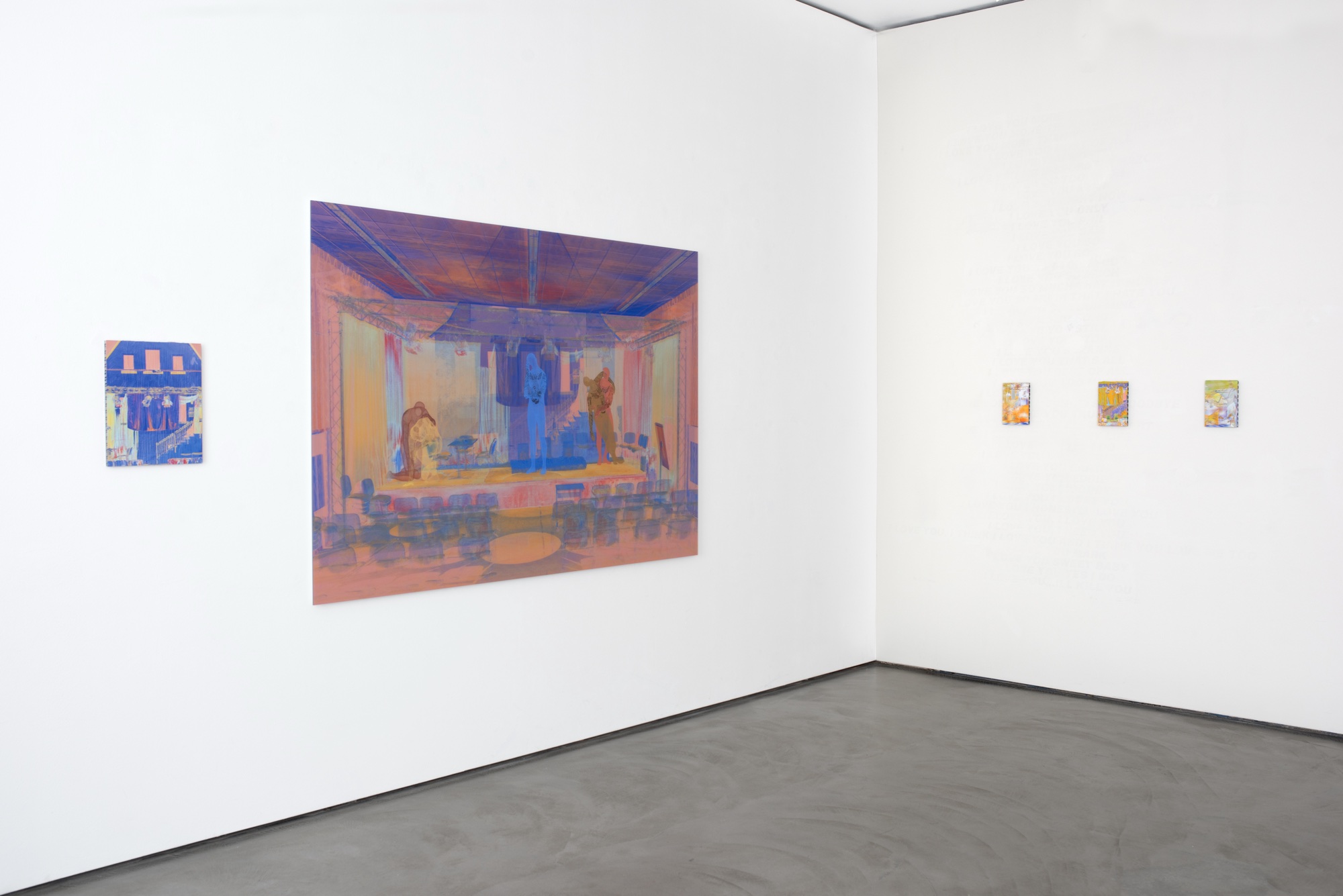
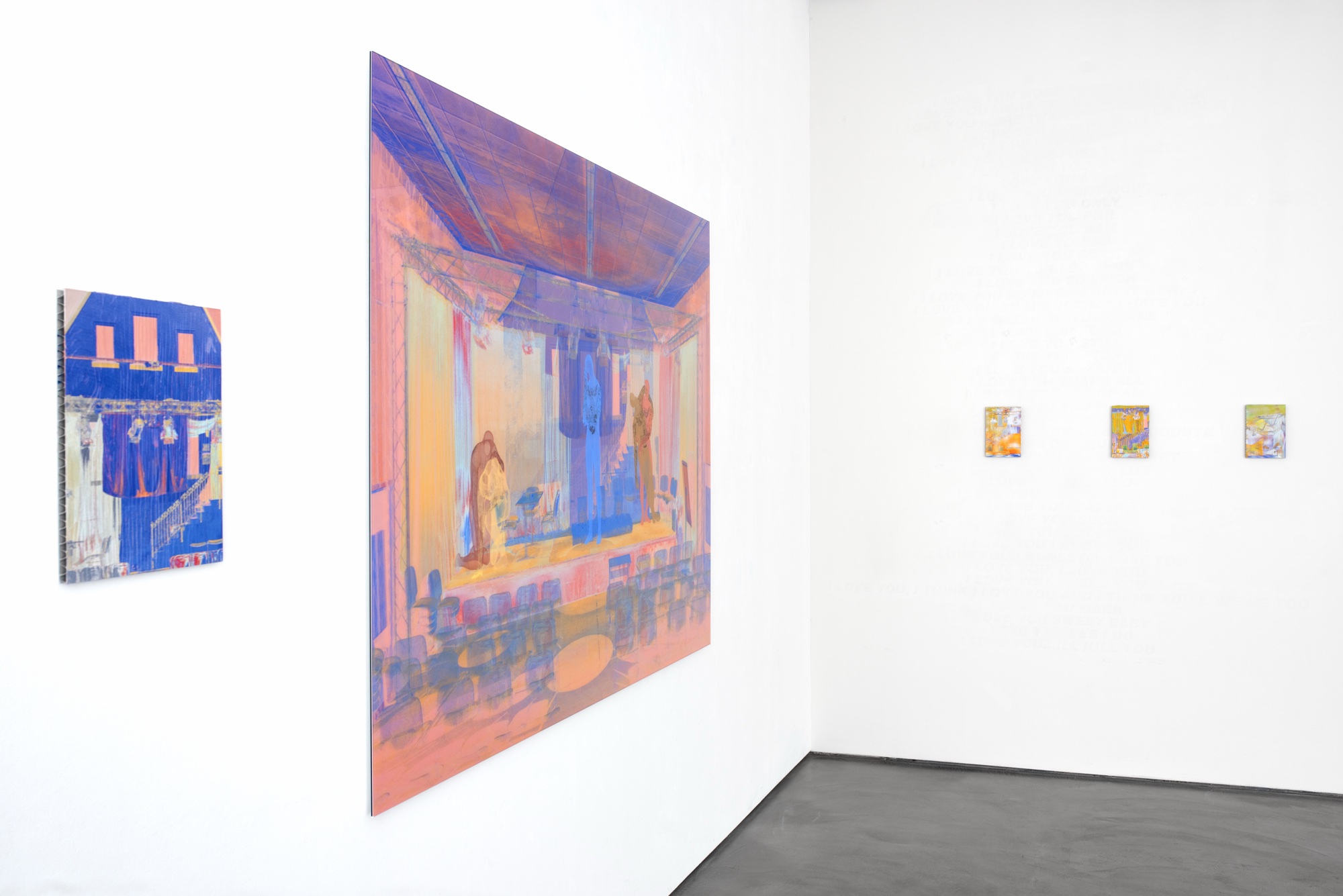
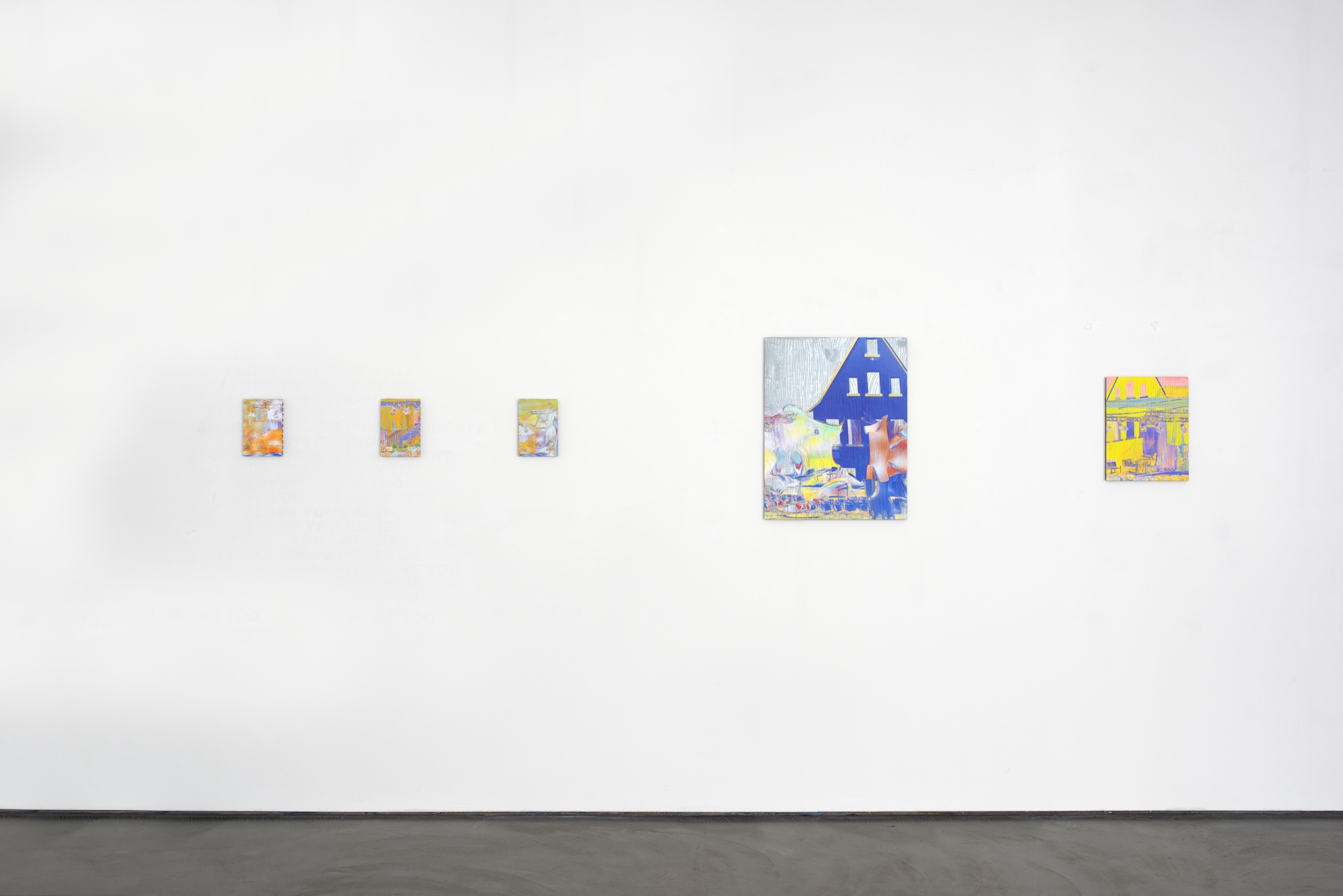
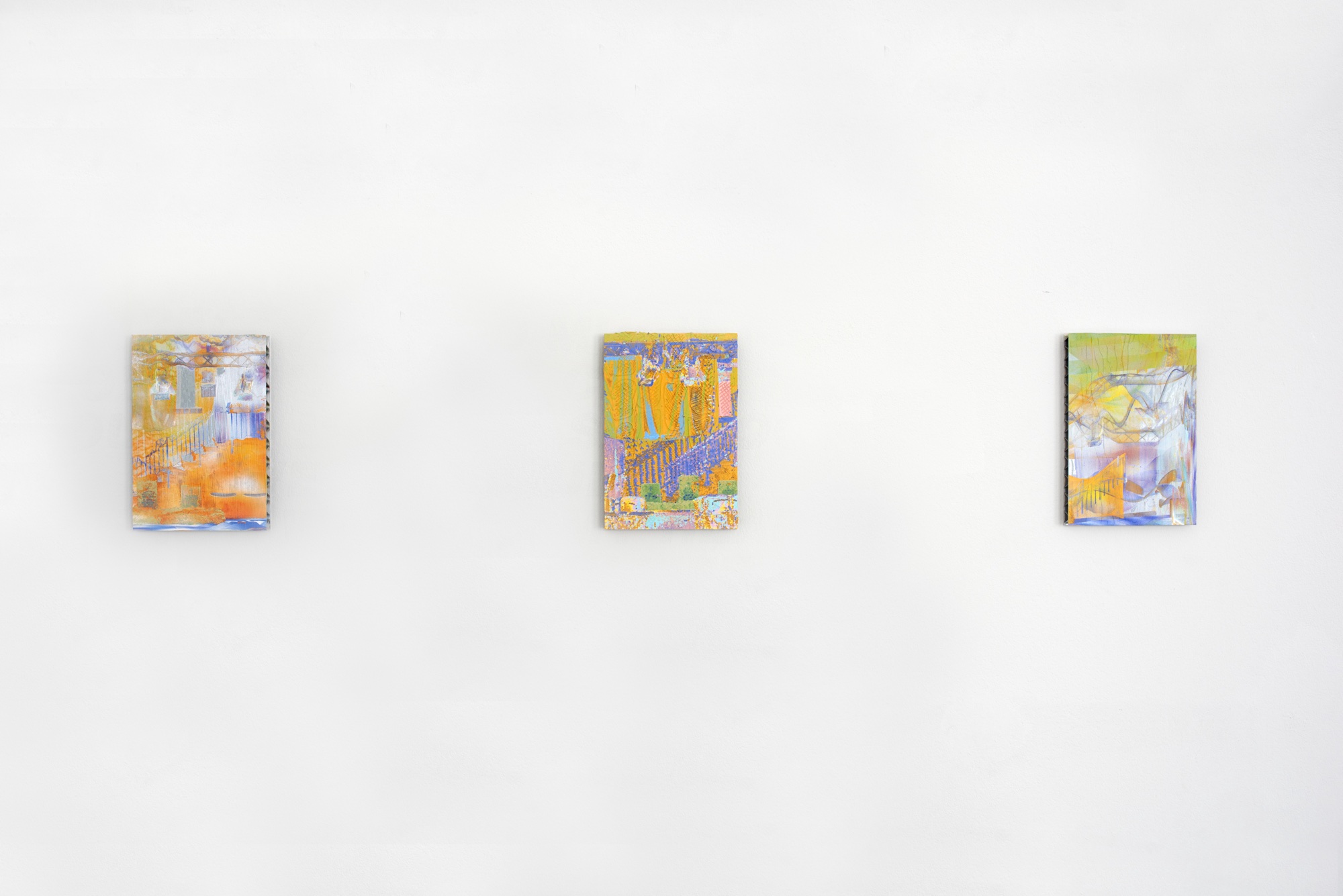
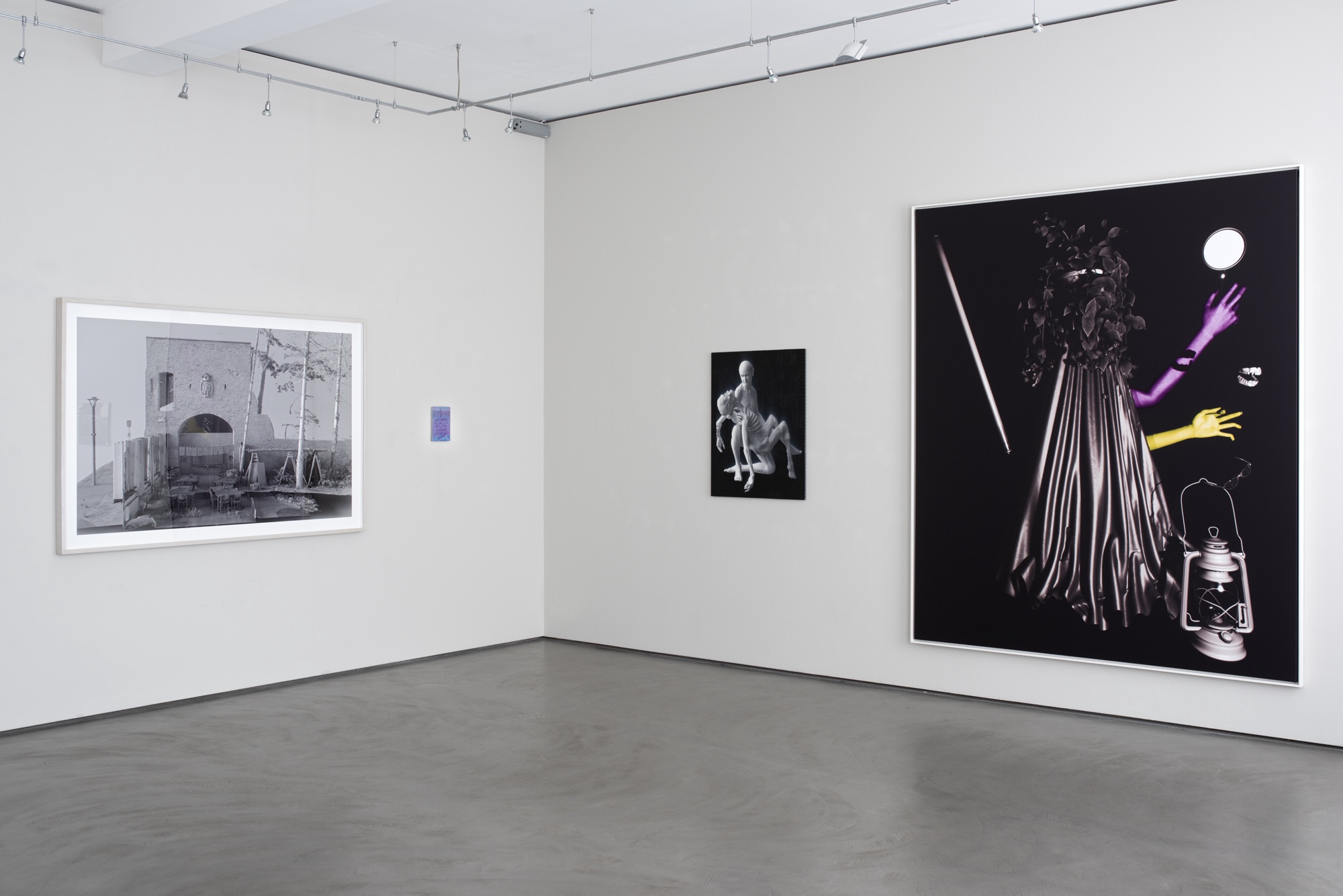
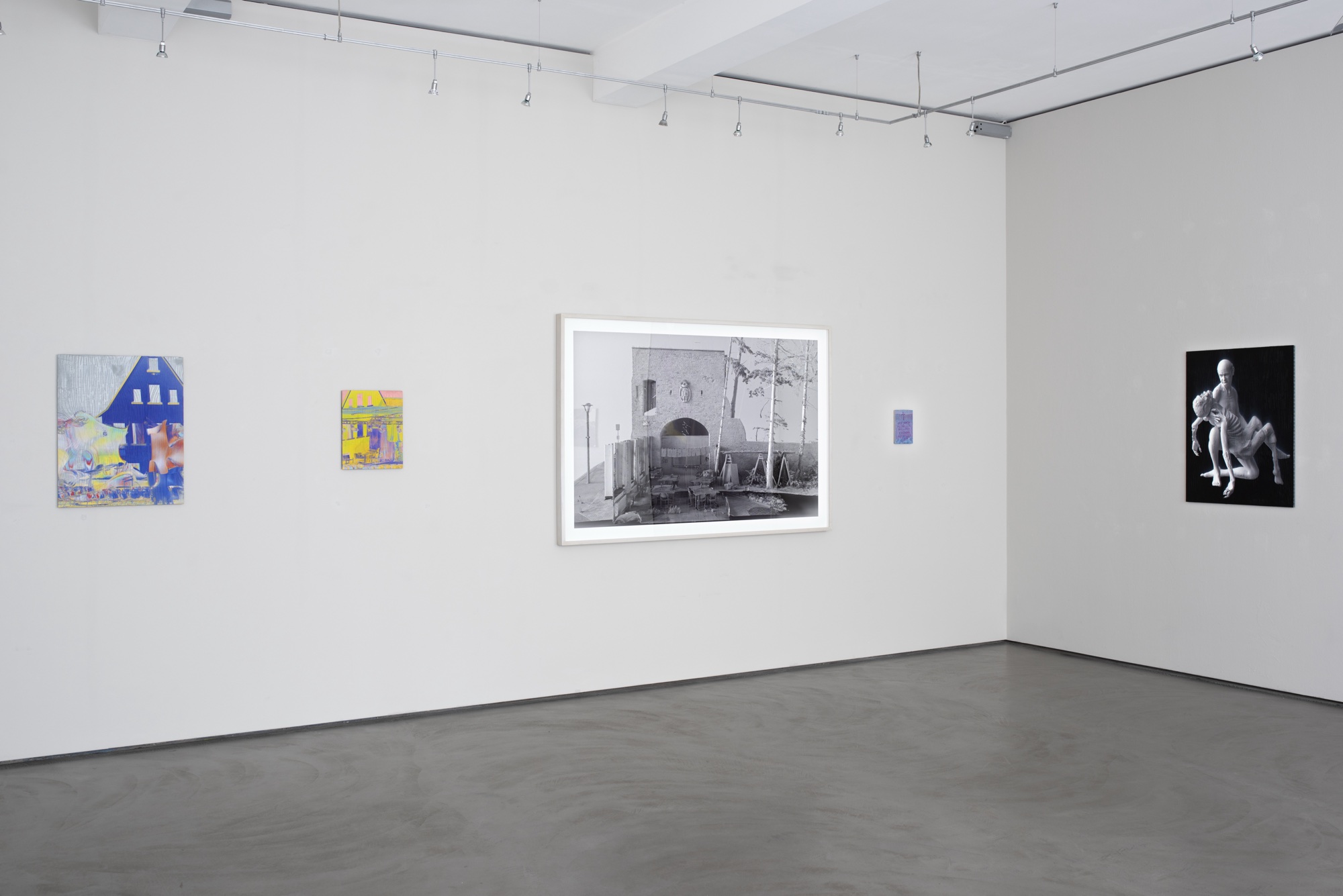
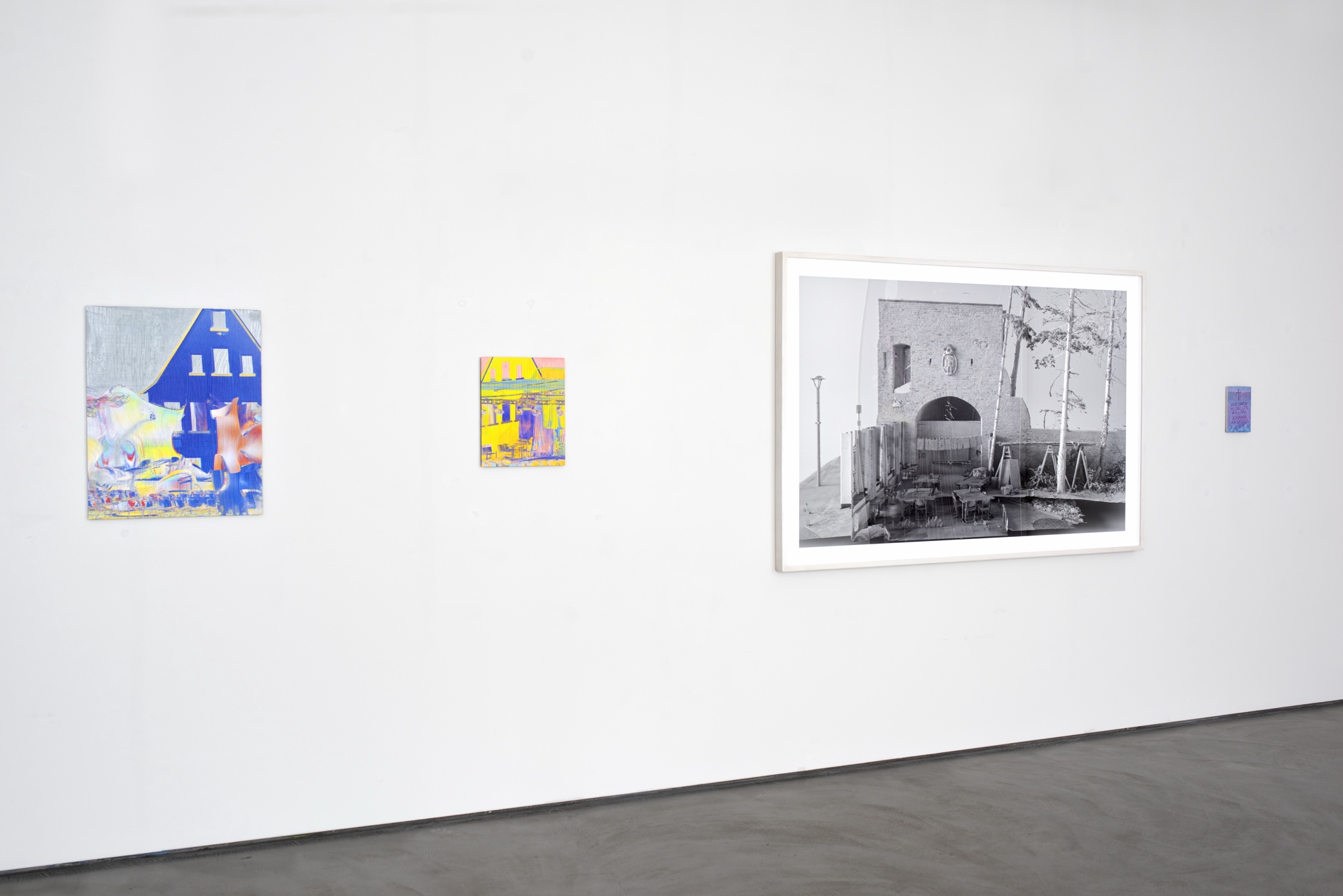
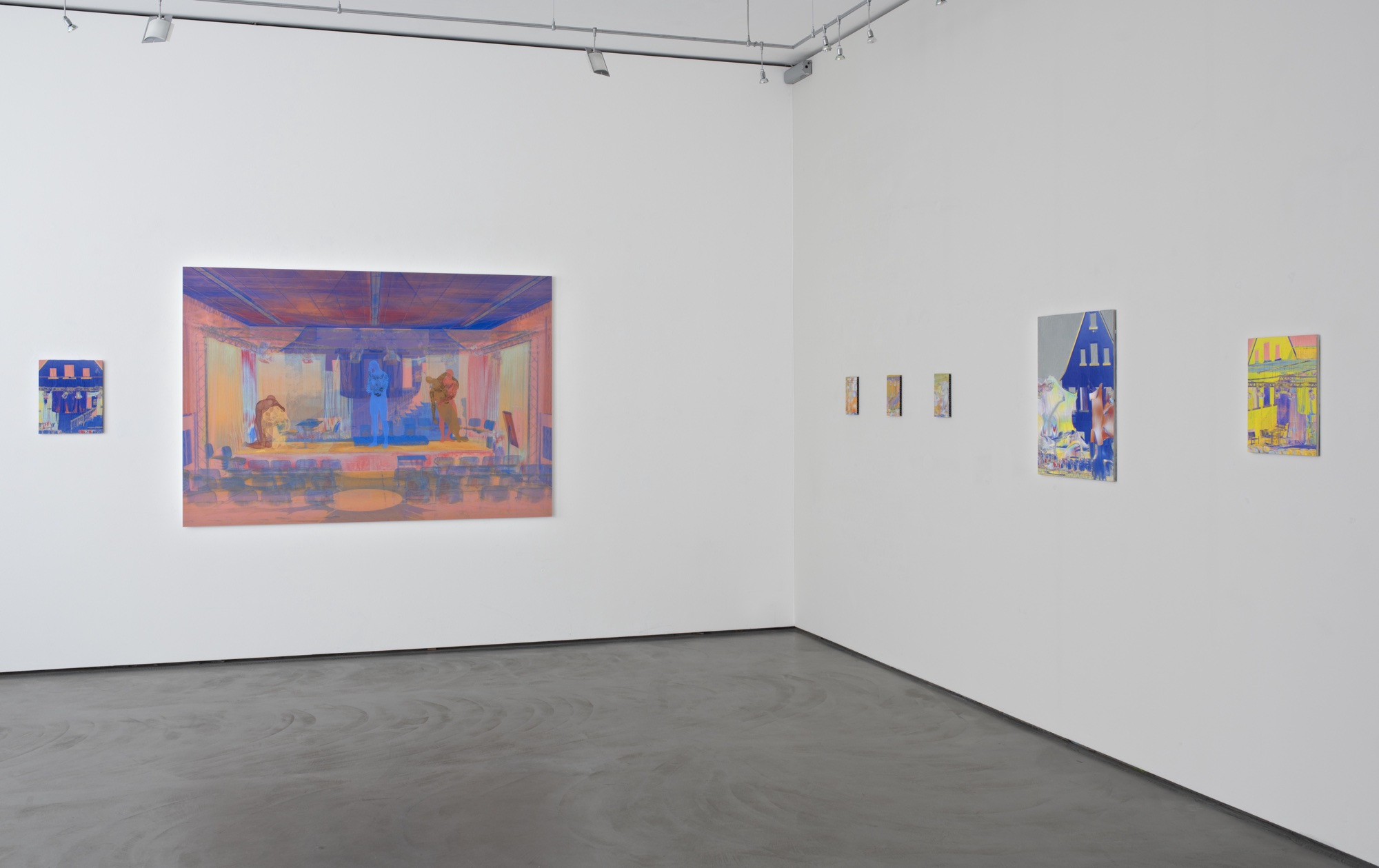
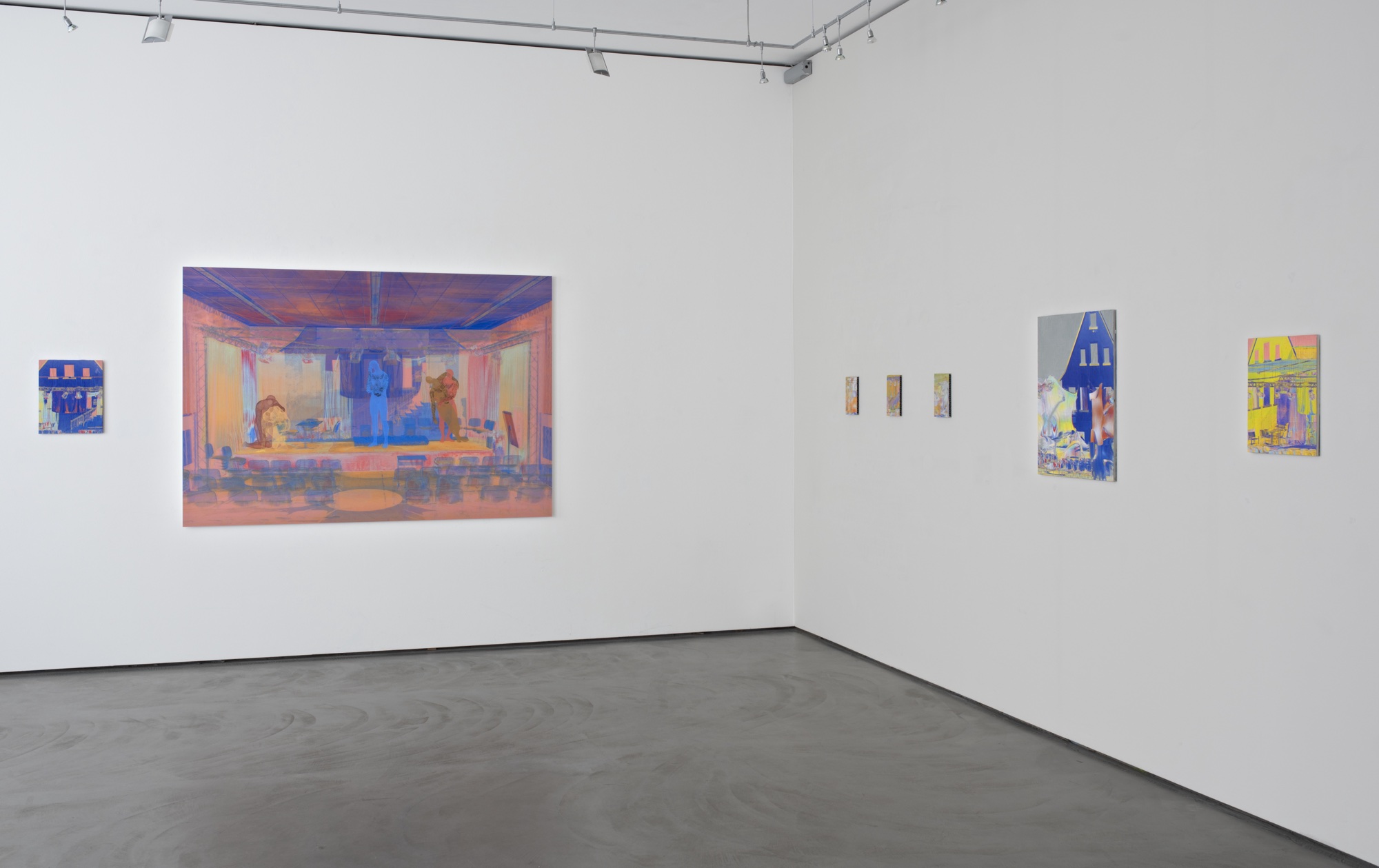
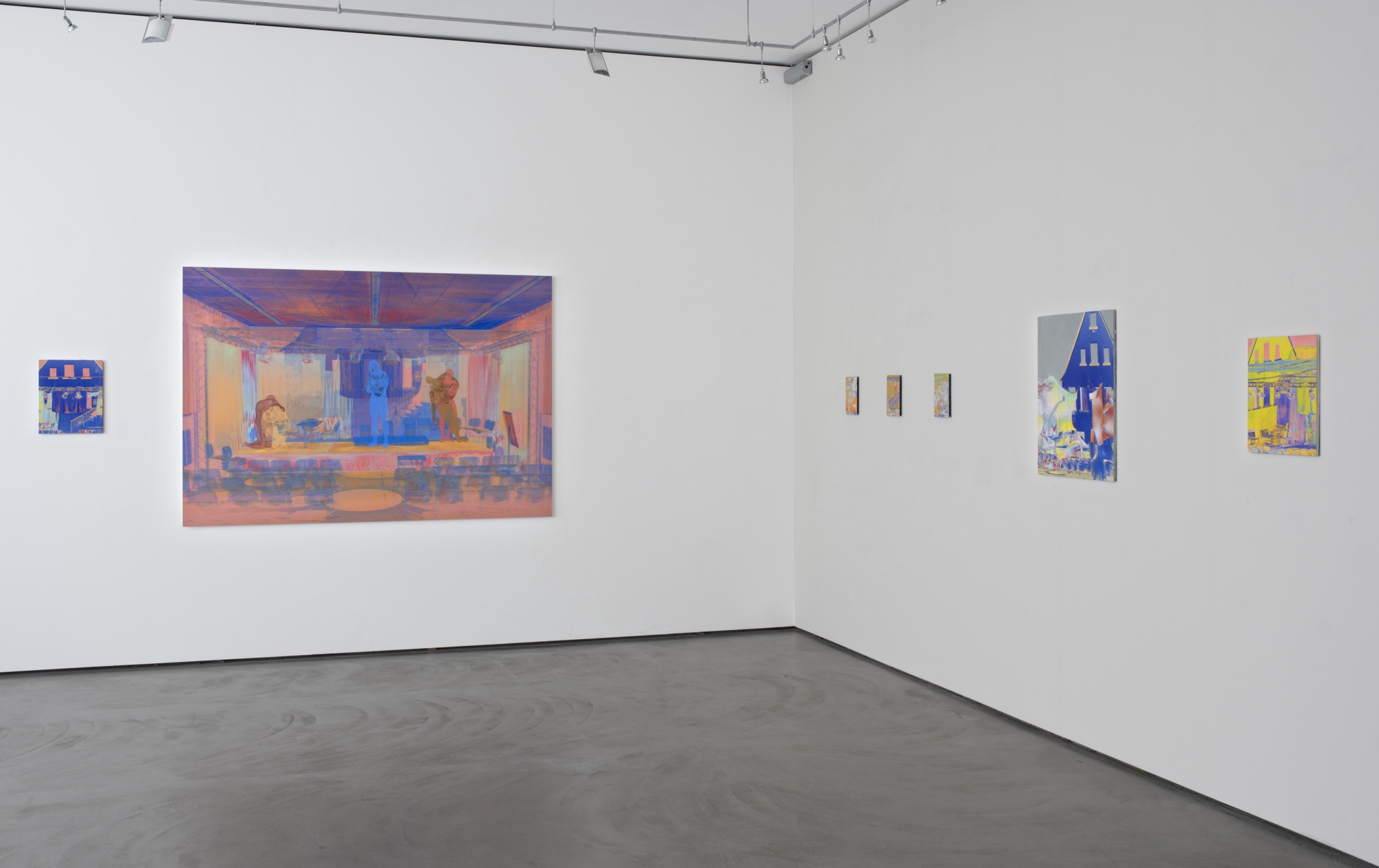
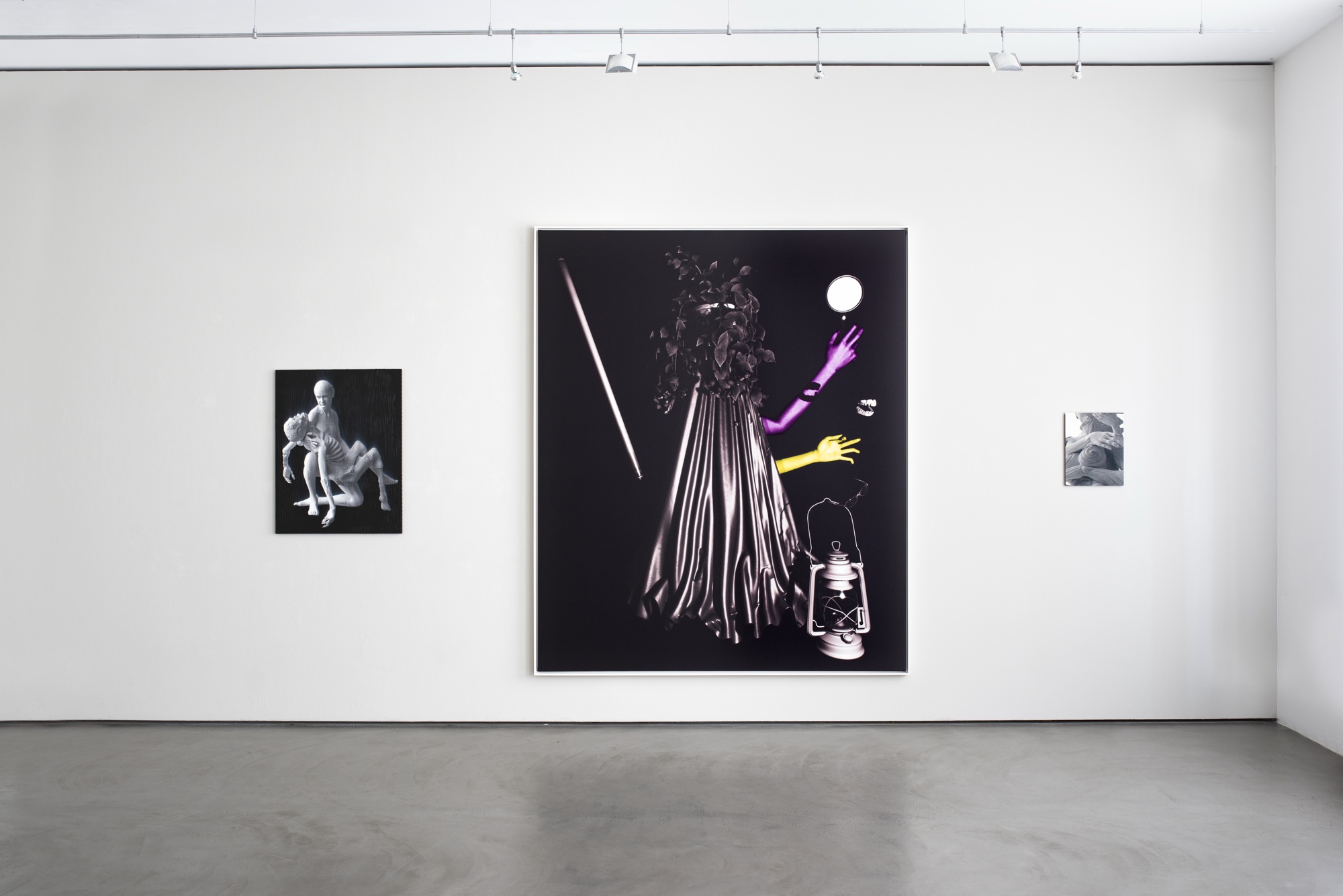
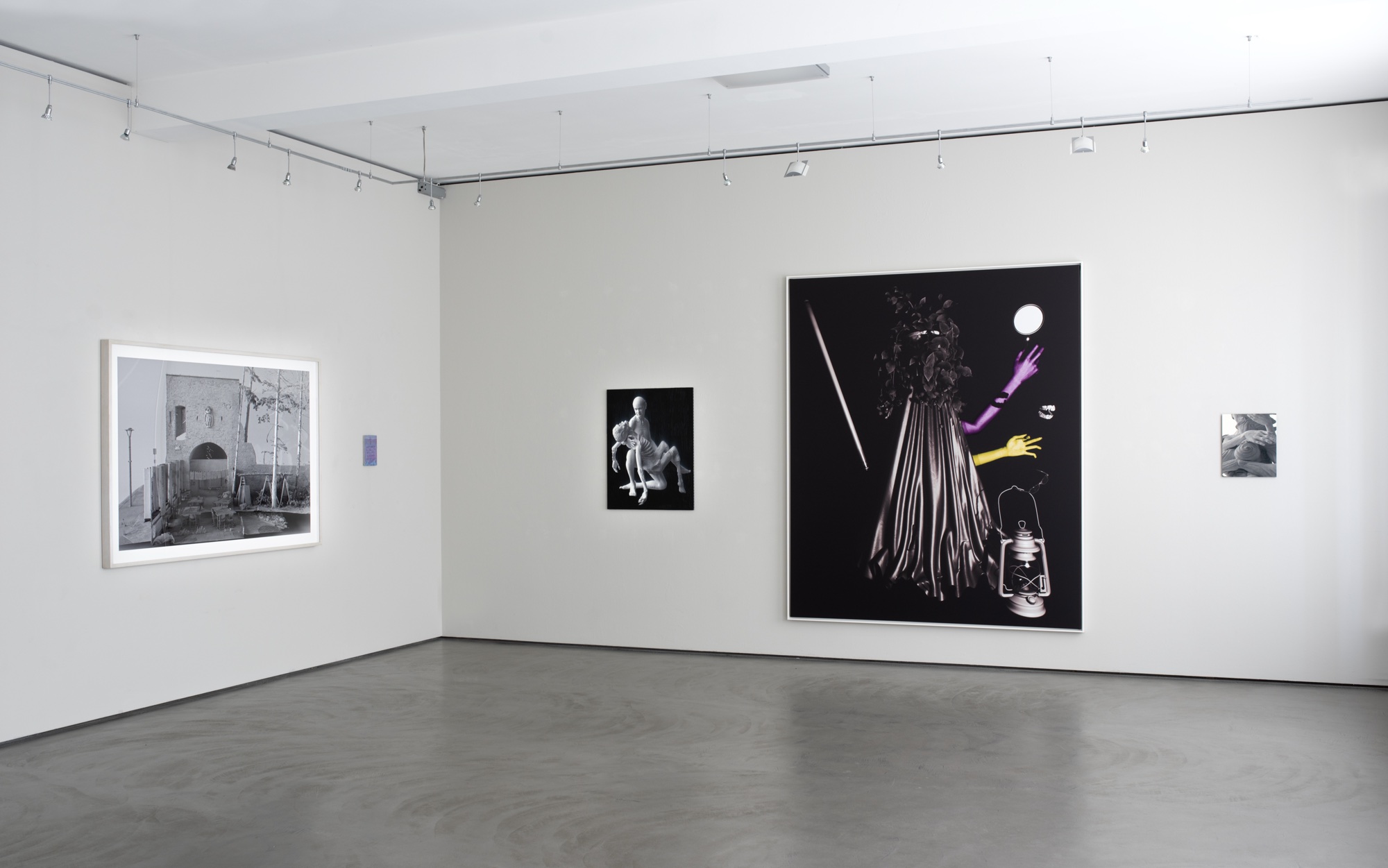
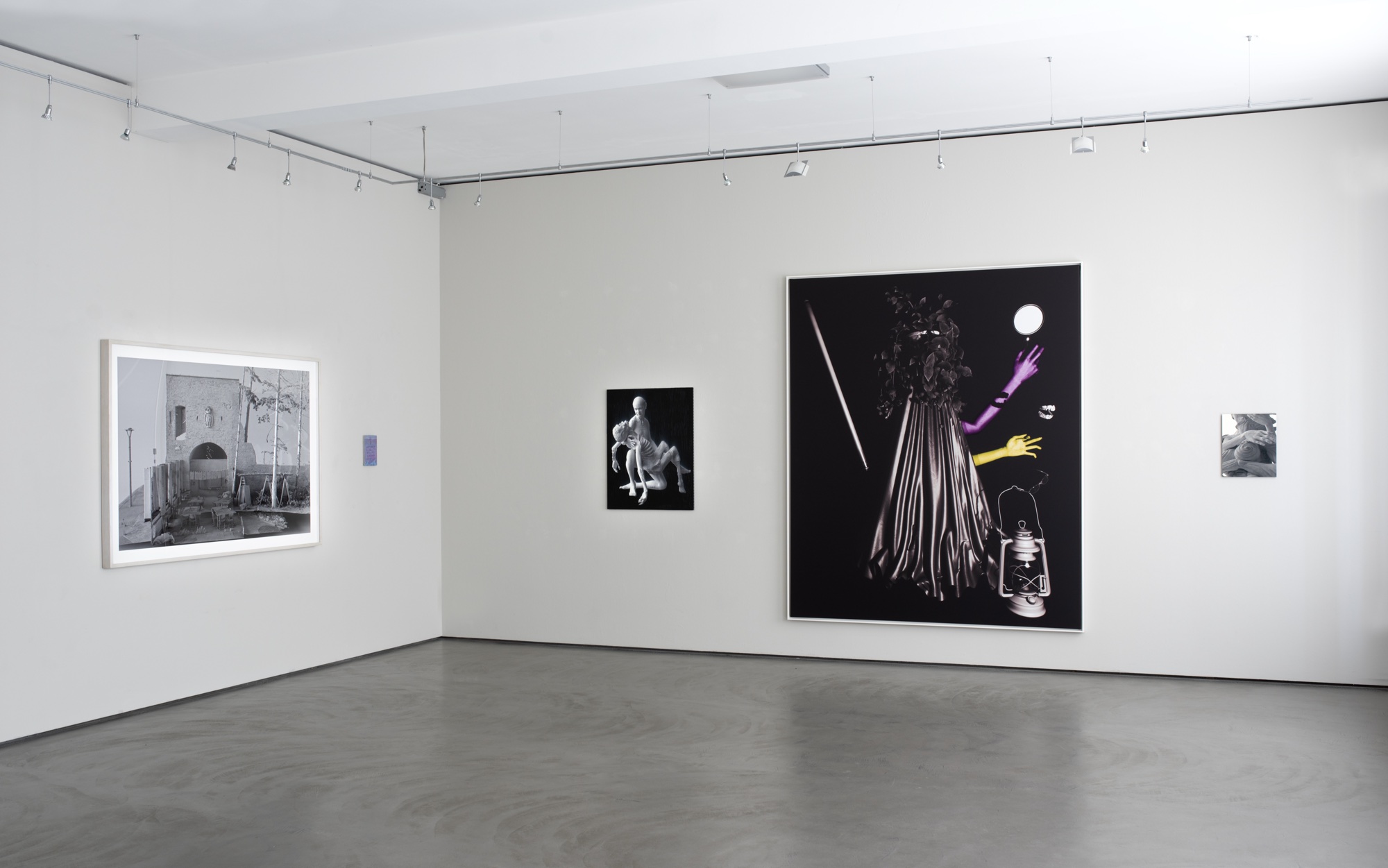
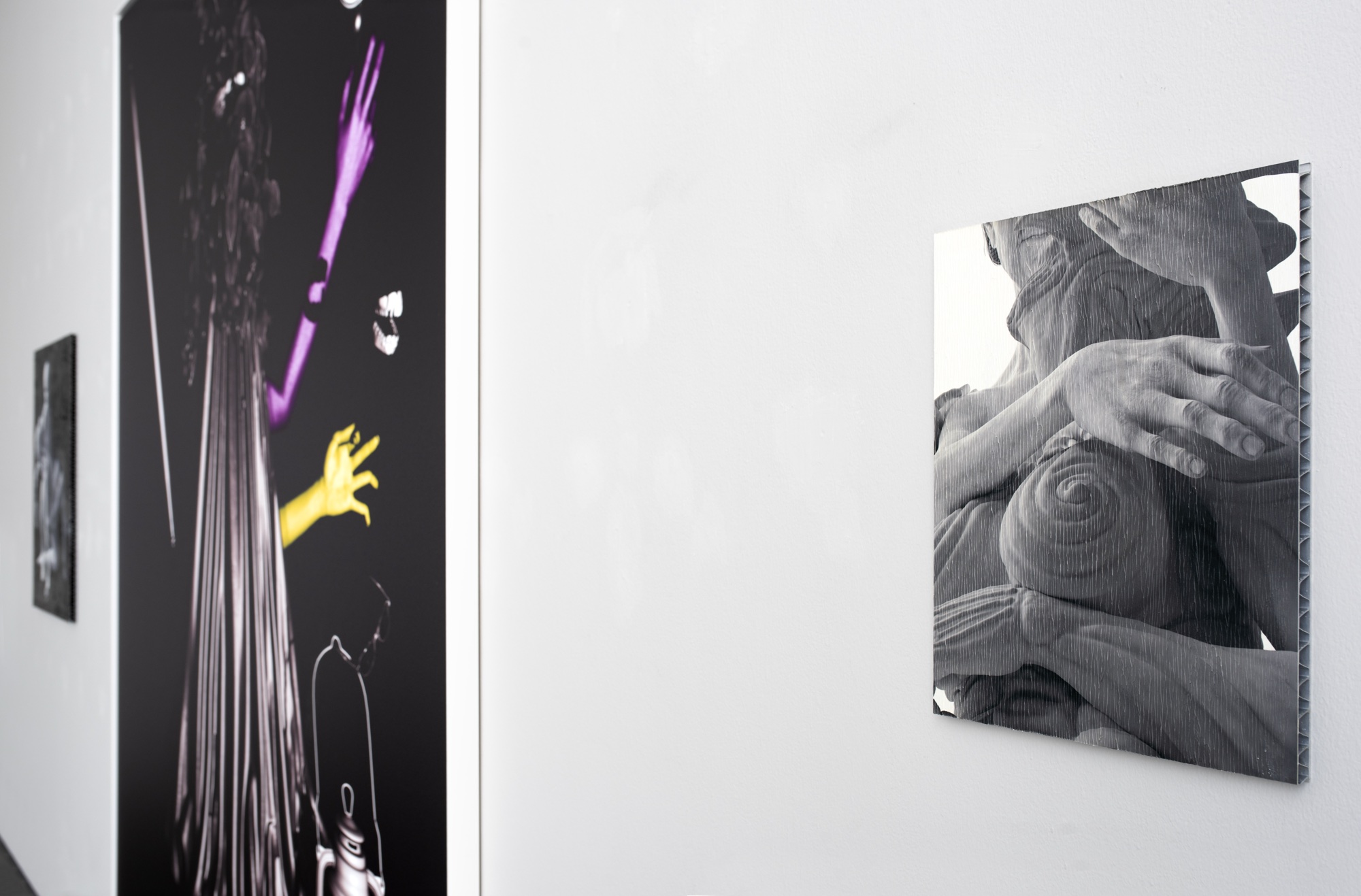
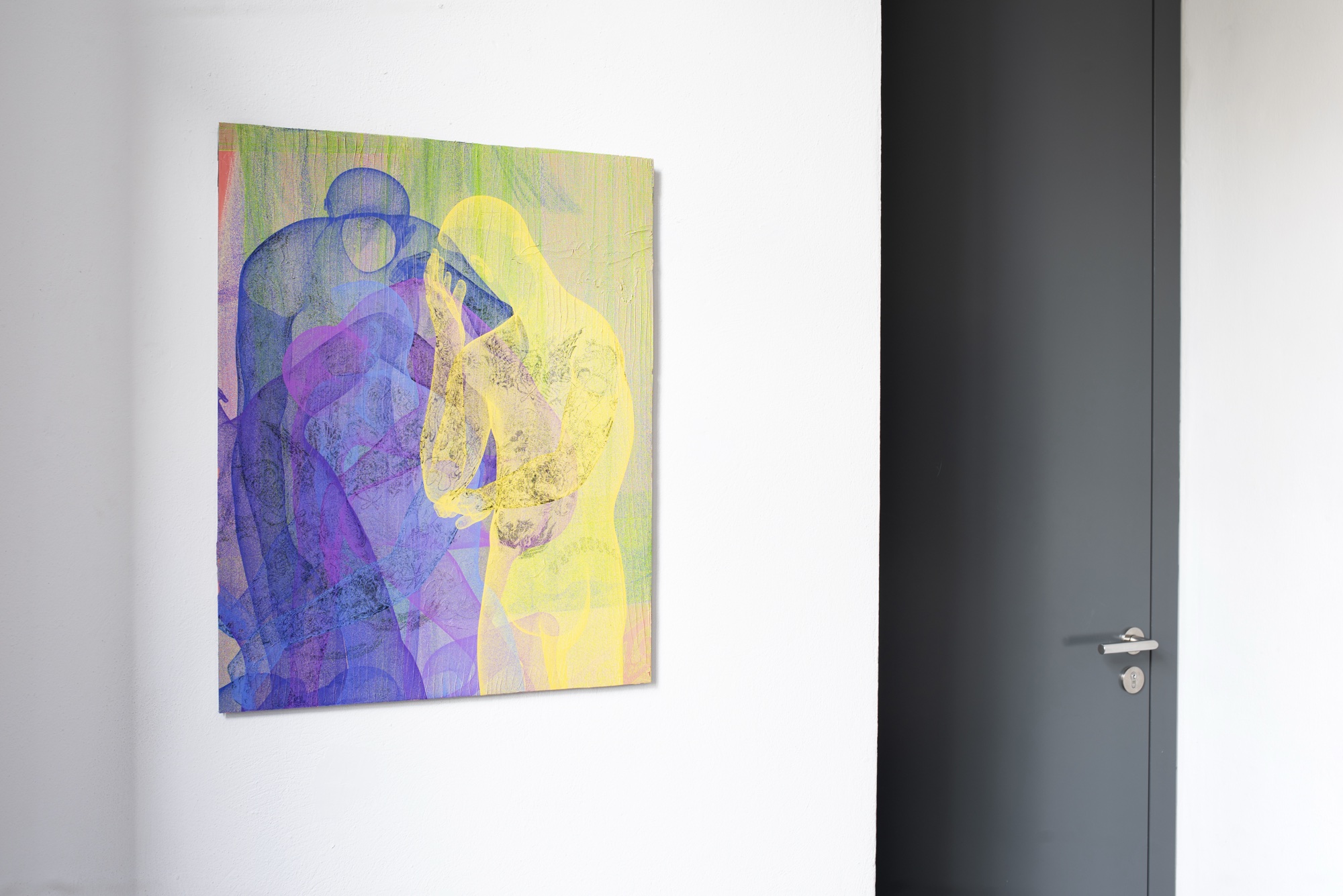
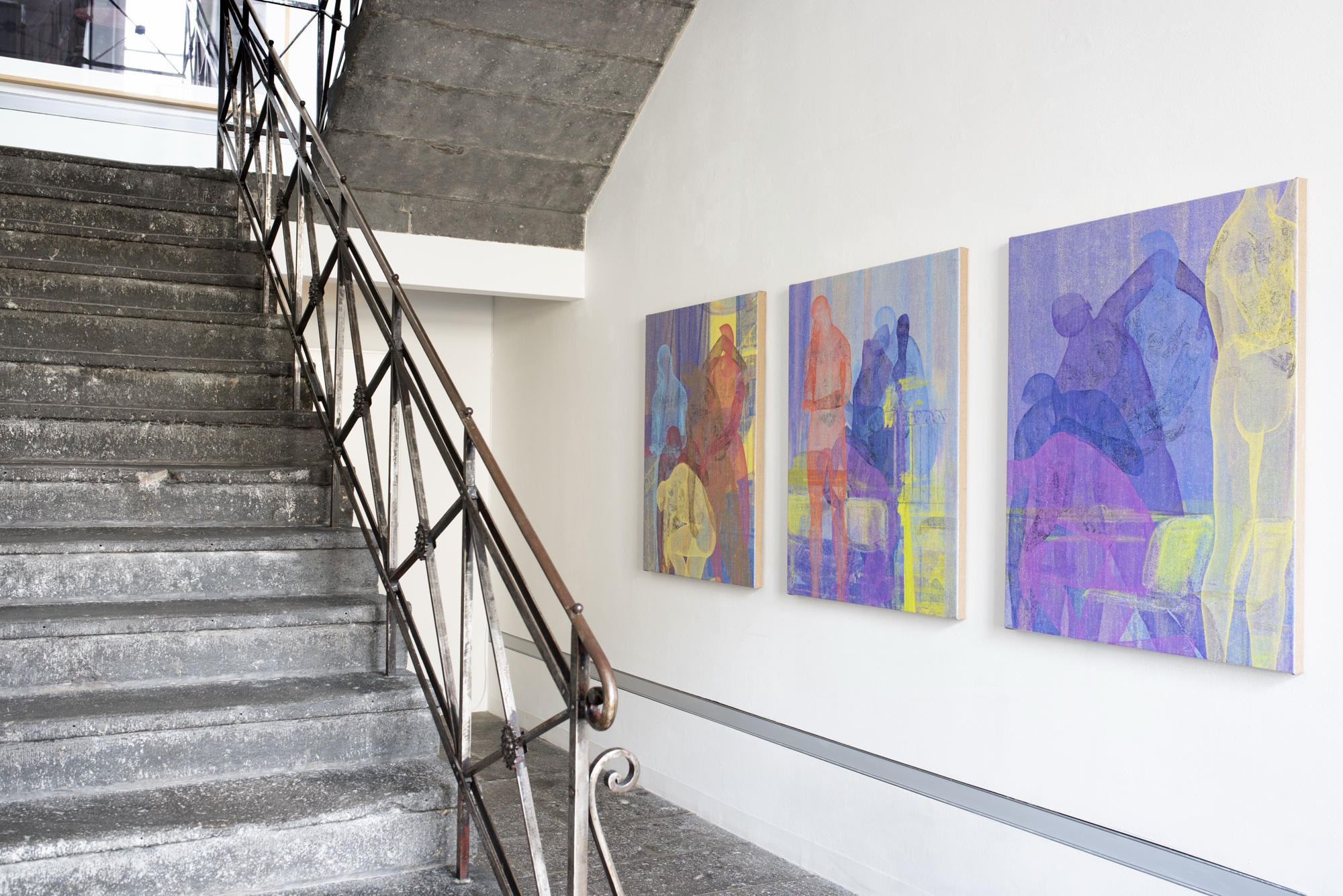
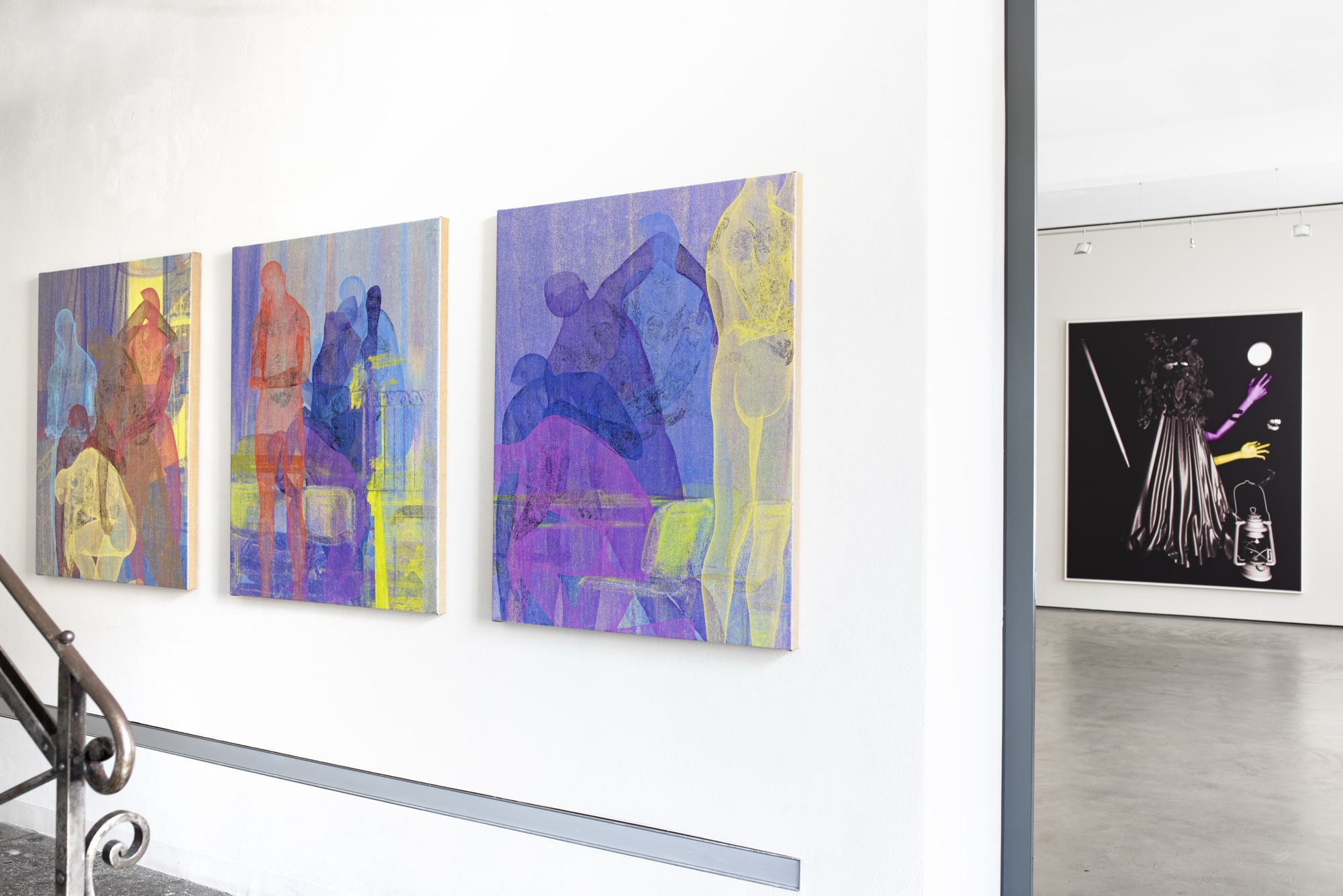
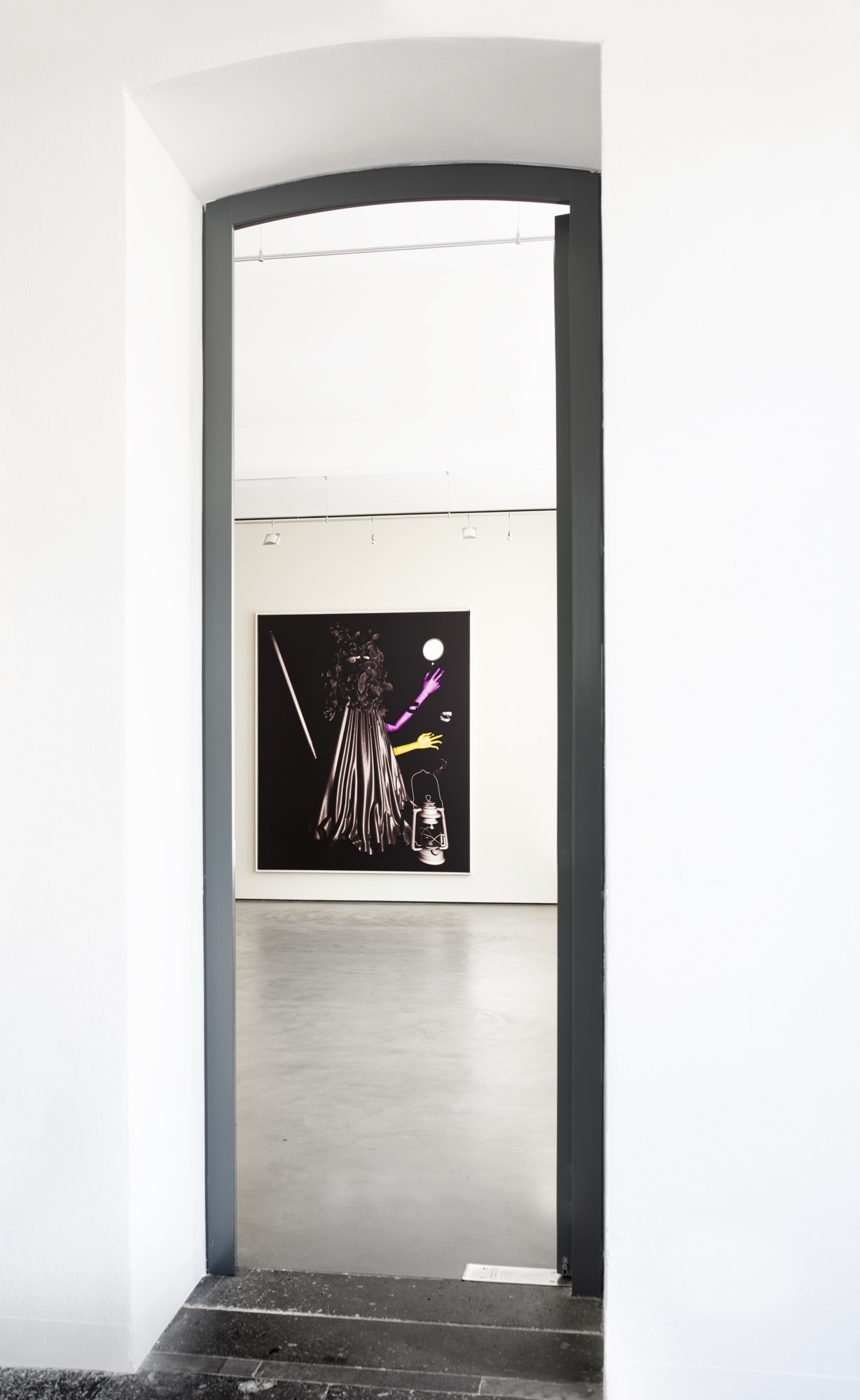
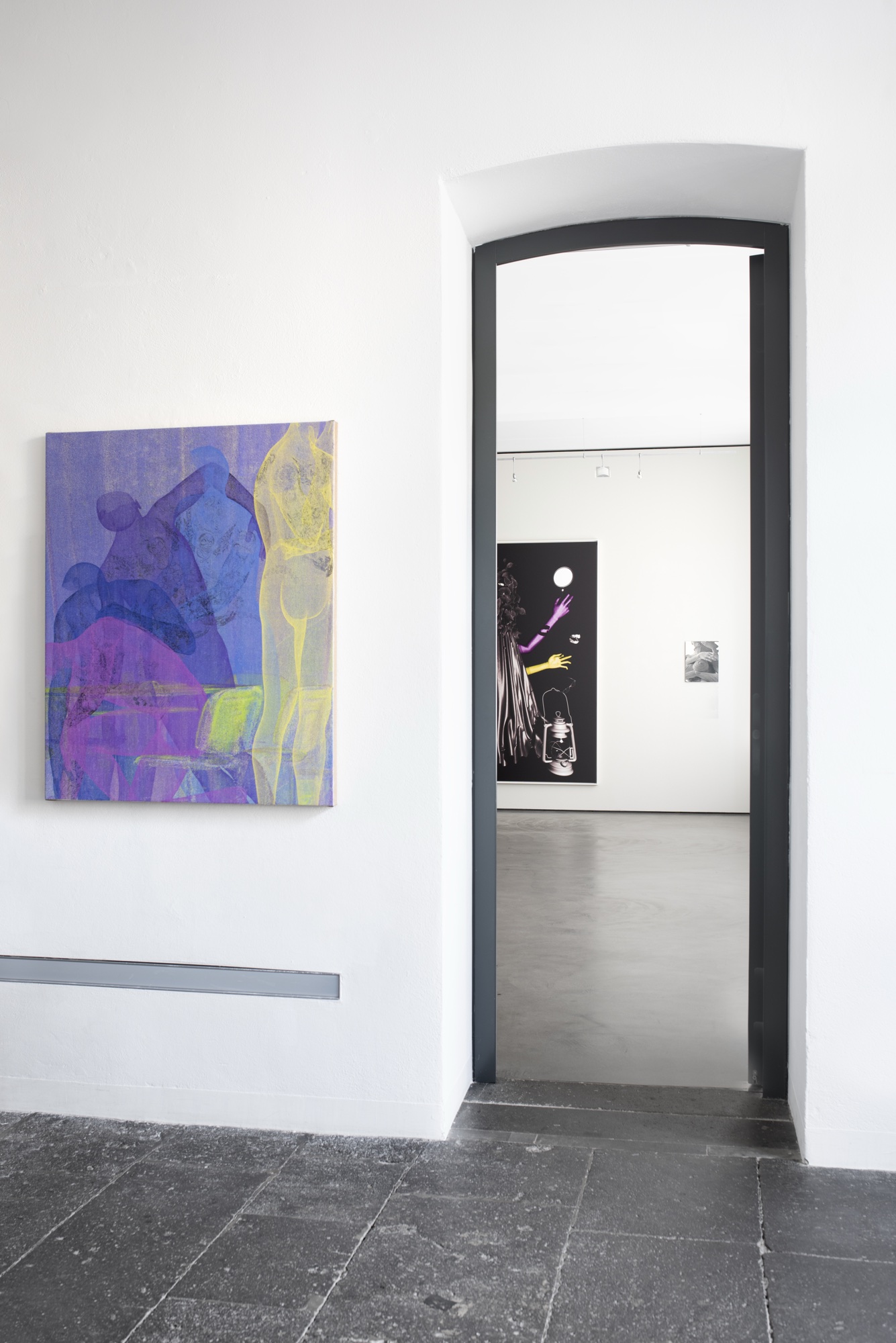
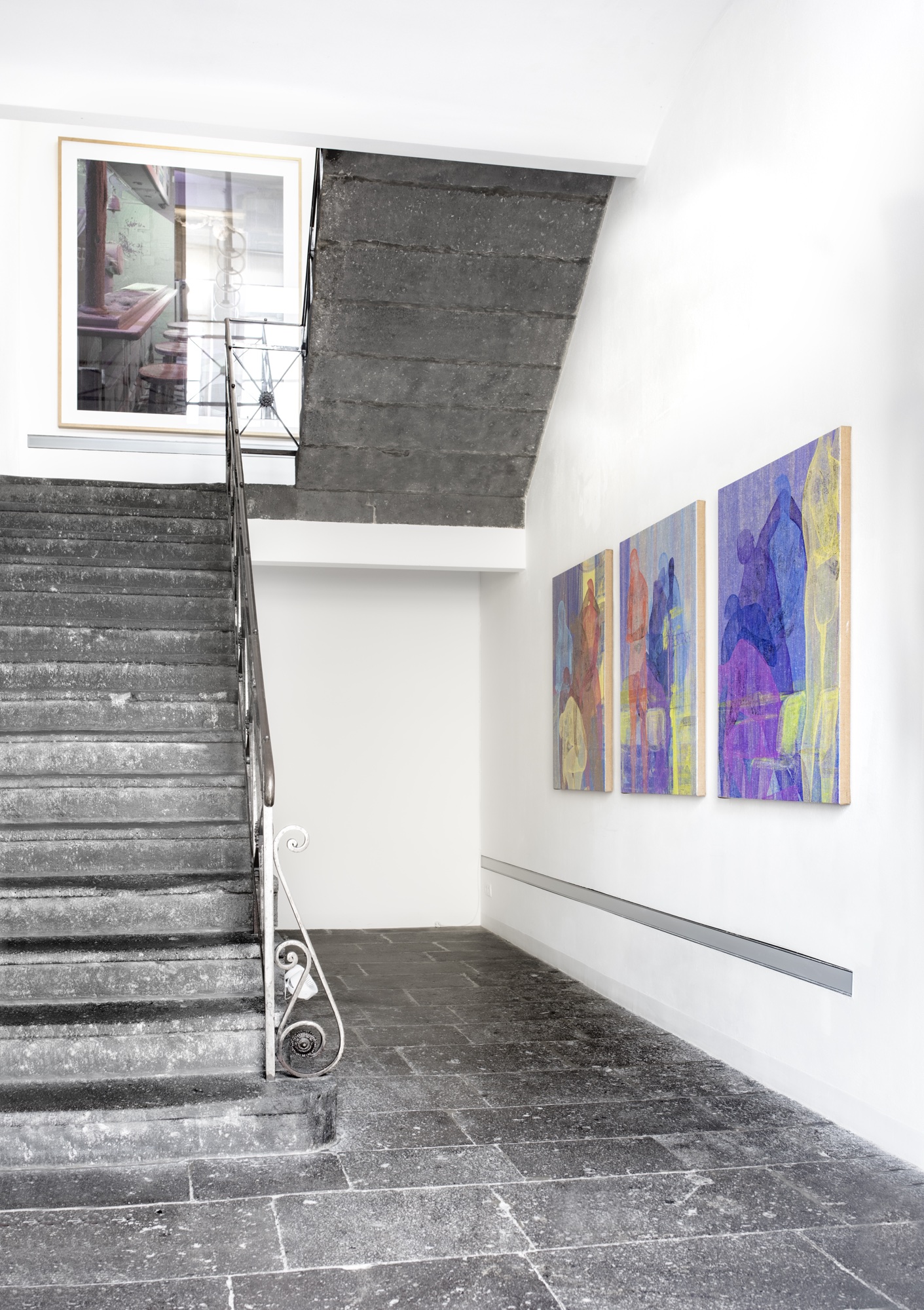
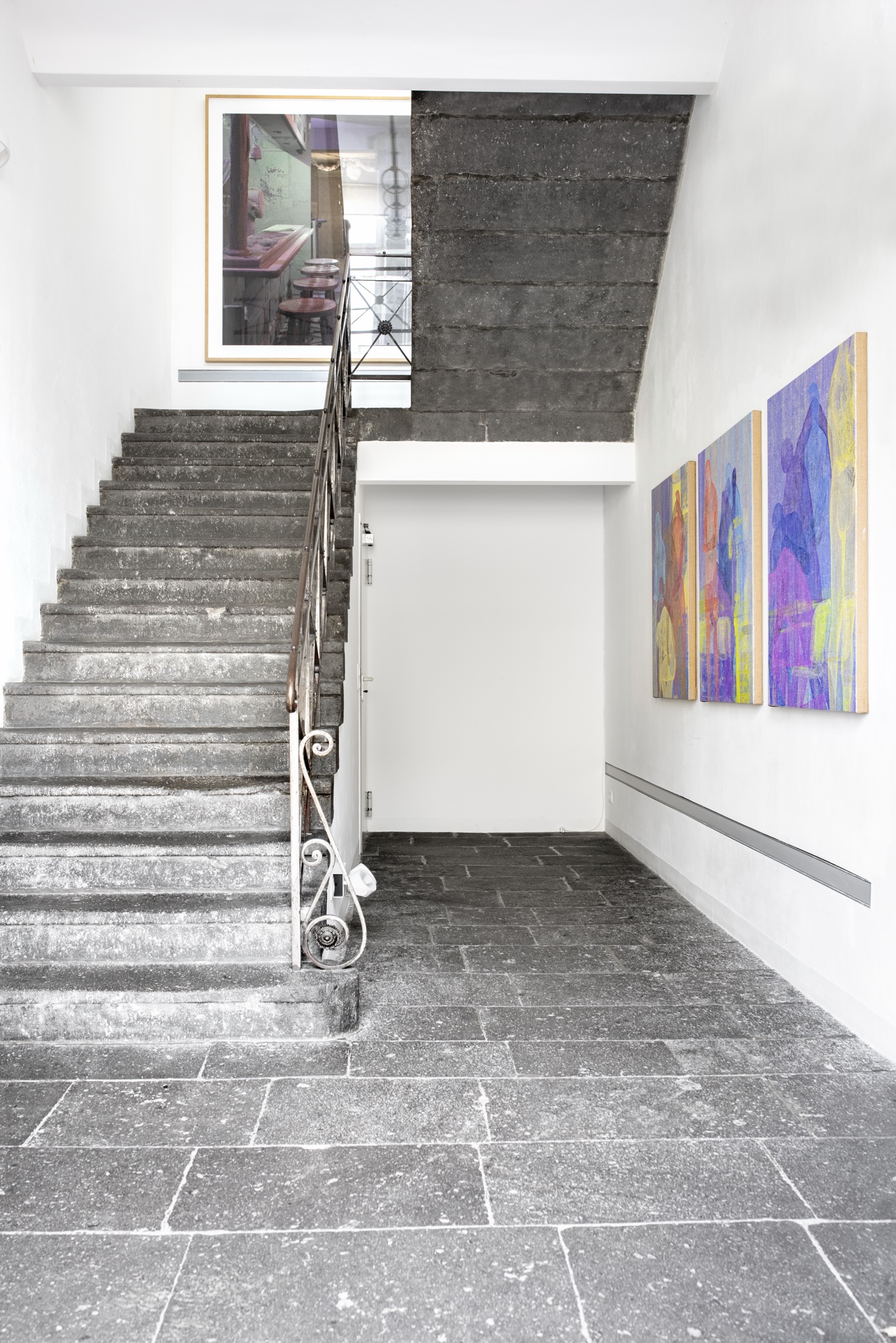
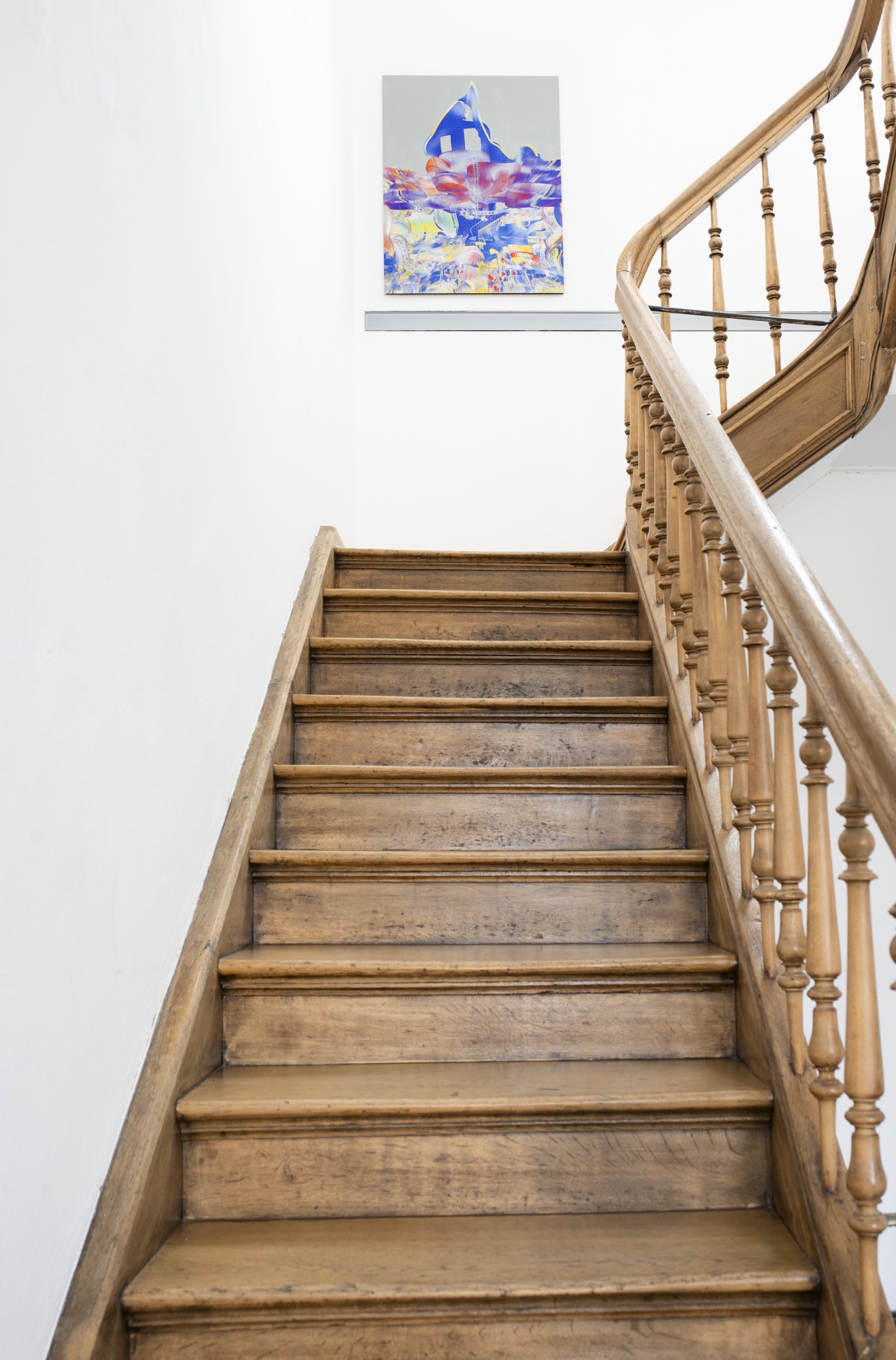
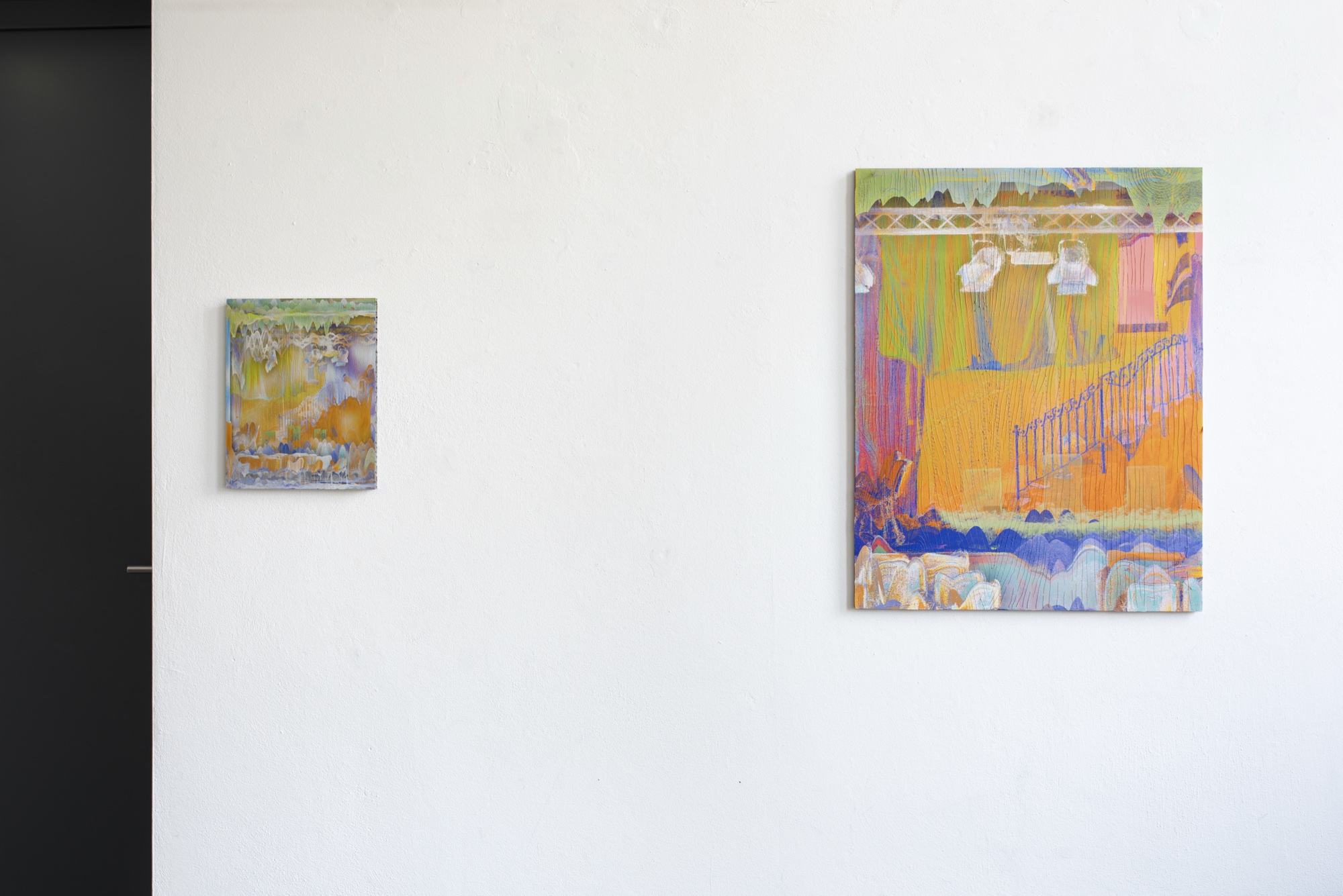
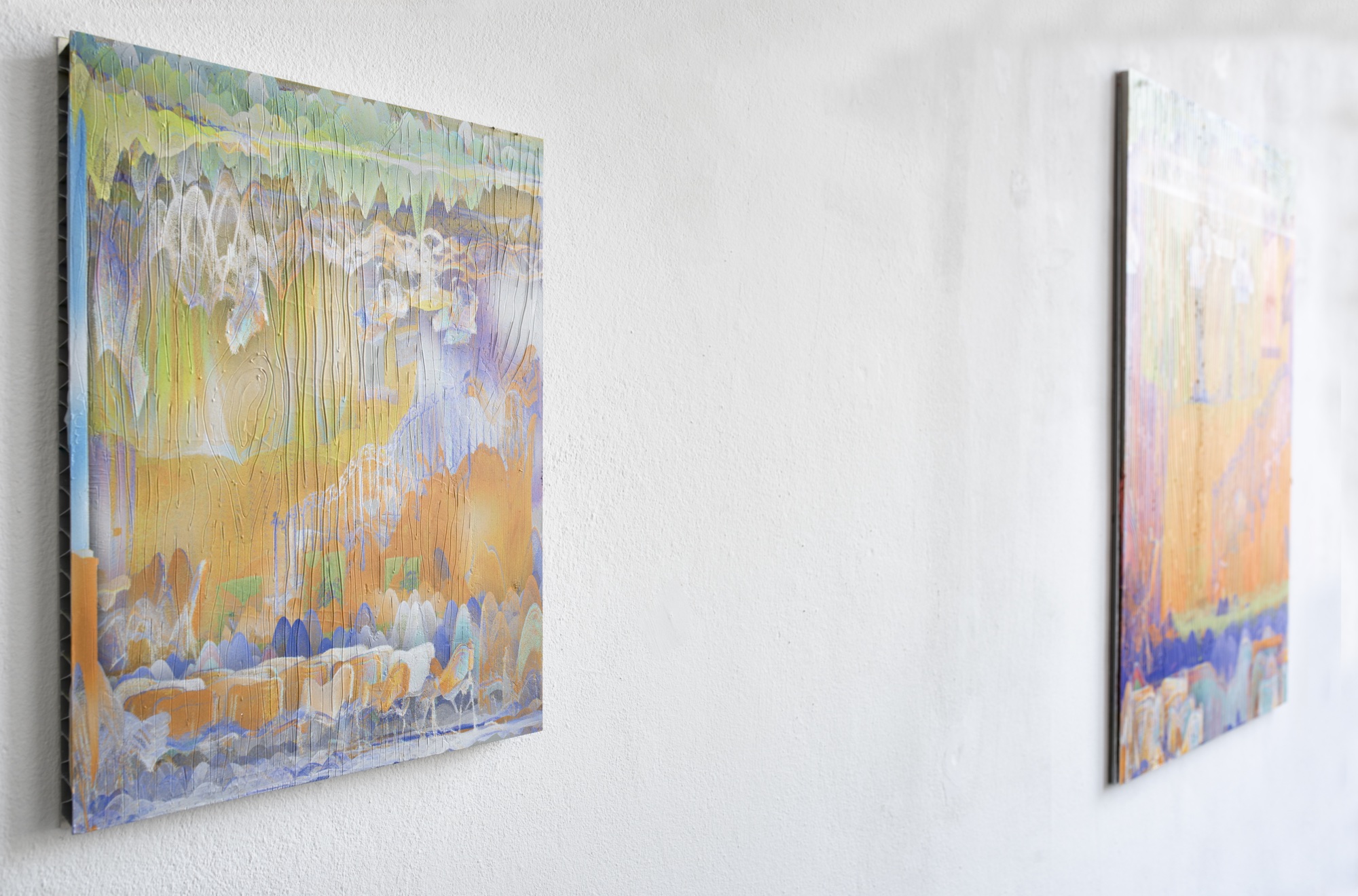
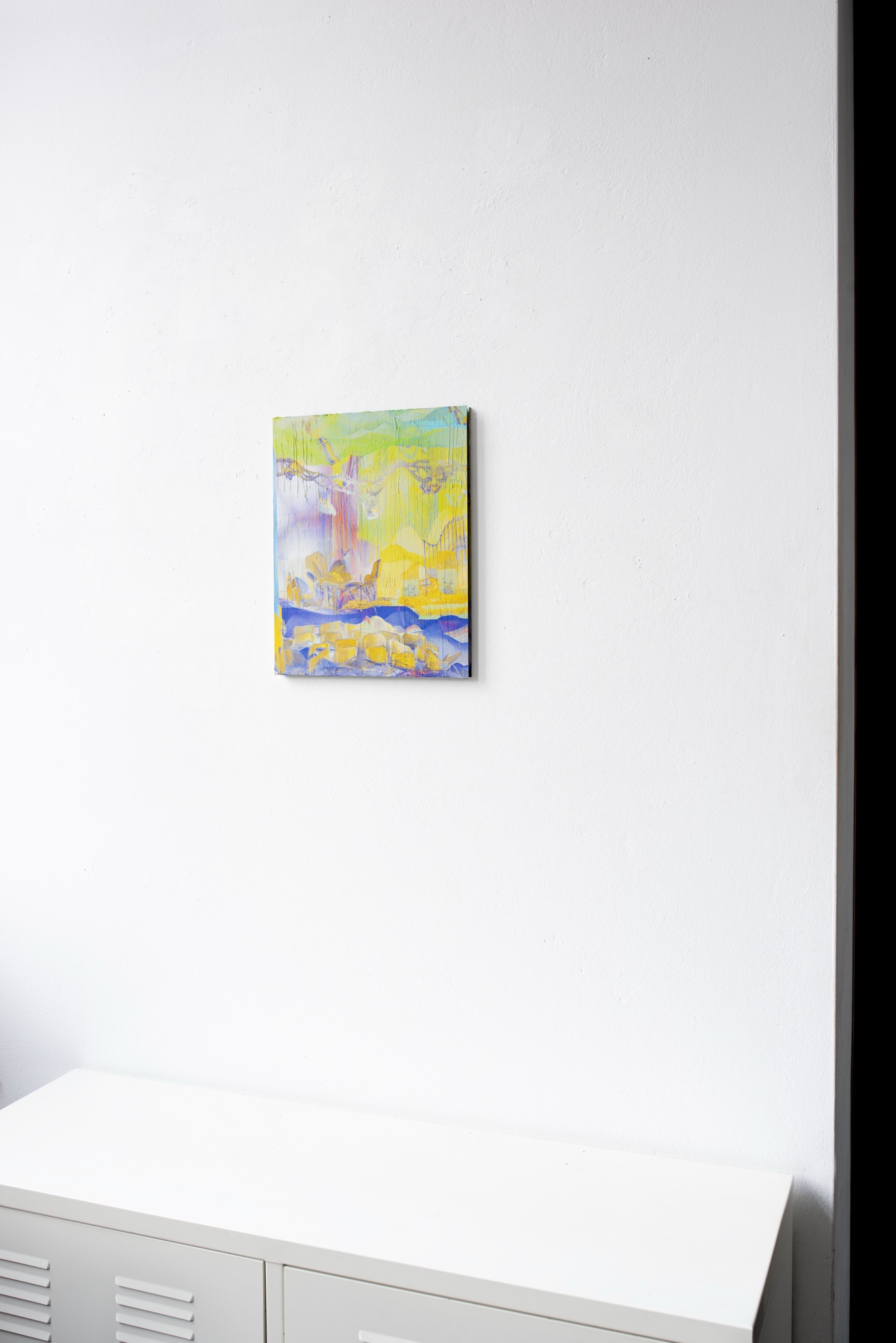
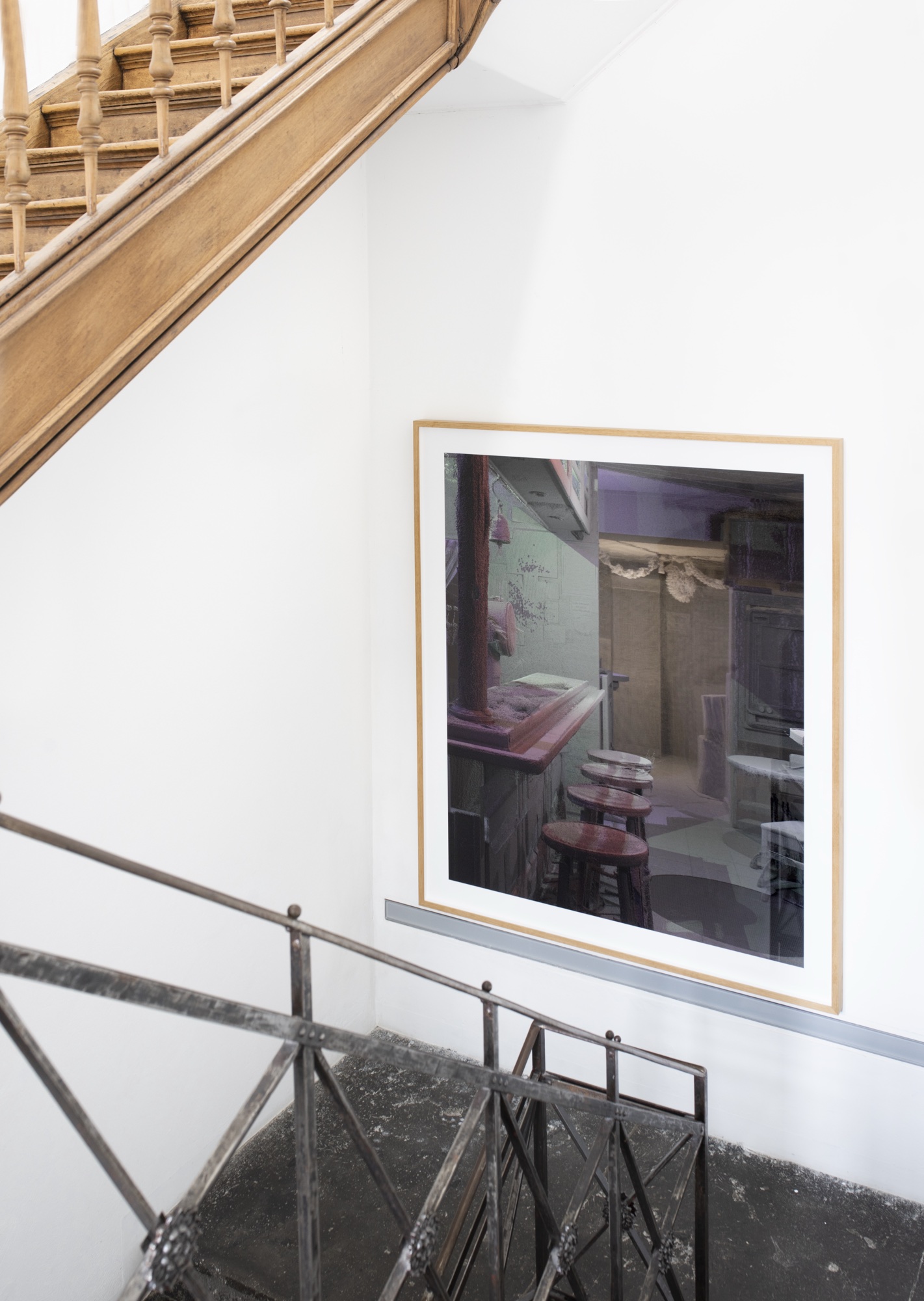
For over 20 years, Tim Berresheim has been developing an artistic style that systematically combines digital and analog means. For Stille Beugung Diffraction Pattern (Silent Diffraction Pattern) , his first solo presentation at Galerie Judith Andreae, Berresheim further develops his series Houses of My Time. With these houses, Berresheim returns to locations from a biography defined by curiosity, departure, and resistance to the ordinary. What remains of a place when it exists only as a point cloud? Berresheim traverses these heterotopic* spaces, but not as a nostalgic chronicler. He examines human and architectural forms for their capacity to influence space, temporality, and potential futures.
Berresheim, who initially found his somewhat reluctant approach to art through drama theory and screenwriting, discovered his “love of the statue” at art school. The artist understands his work—the dramaturgy and composition of the figures (the indices) within the memory-laden space of the houses of my time —as an expanded form of directing, aiming for a new visual invention. The series, first presented at Paris Photo 2024, references Gert Arntz's Houses of Time (1927). Following a former Aachen pub, Steffens Schänke , the theater of his former school now becomes both a proverbial stage and a moment of preservation. Locations captured using a 3D laser scan provide a precise representation of reality as a point cloud in digital space. Berresheim uses the laser scanner as a lensless, photographic process, referencing the ancient Greek origin of the term photography, composed of "phōs" (light) and "graphein" (to draw). In his work, photographic, "light-drawn" observation and painterly spatial mapping combine to create an entirely new visual language.
In some of the new works, the moment of publication also changes: in the combination of oil painting and high-resolution printing technology, the analog hand meets the digital. Starting from Heidegger's concept, the artist explores the "uncovering" of art and nature without exploiting or degrading them. Heidegger serves as a starting point, a backdrop for artistic reflection on the state of art and the world, which is partly translated directly into the pictorial space, where Heidegger's birthplace and family graves appear as stage-like fragments.
Werke
-
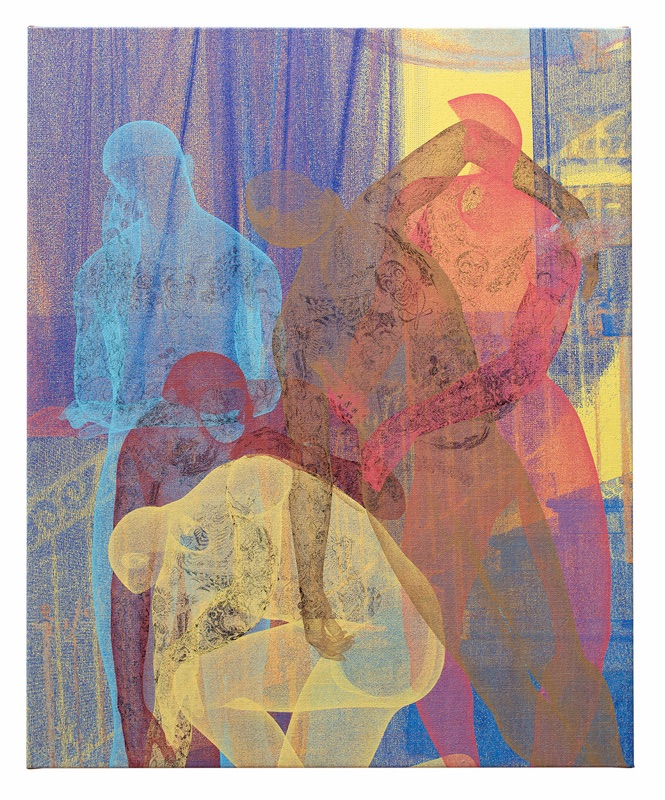
Gefüge. Ich. Eingeschoben., 2025Tim Berresheim2025110 × 90 cmArchival Print auf handgrundierter Juteleinen, auf Keilrahmen aufgezogenTB25/M 169 -
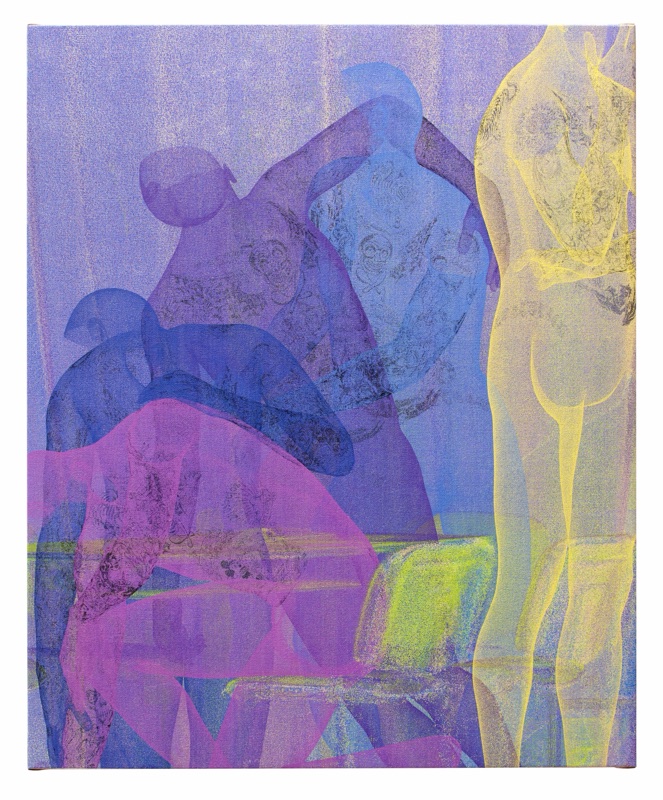
Gefüge. Ich. Vorausgeworfen, 2025Tim Berresheim2025110 × 90 cmArchival Print auf handgrundierter Juteleinen, auf Keilrahmen aufgezogenTB25/M 170 -
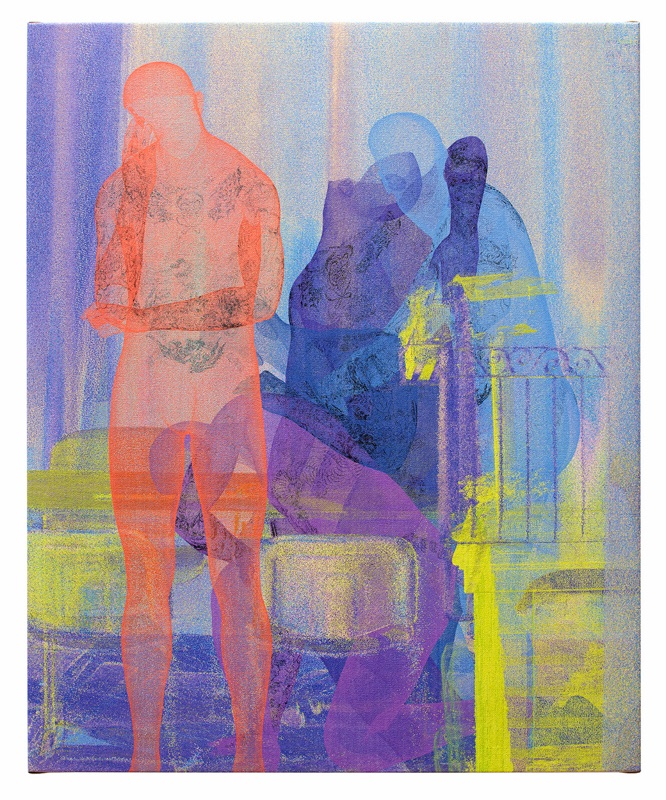
Gefüge. Ich. Umsorgt., 2025Tim Berresheim2025110 × 90 cmArchival Print auf handgrundierter Juteleinen, auf Keilrahmen aufgezogenTB25/M 171 -
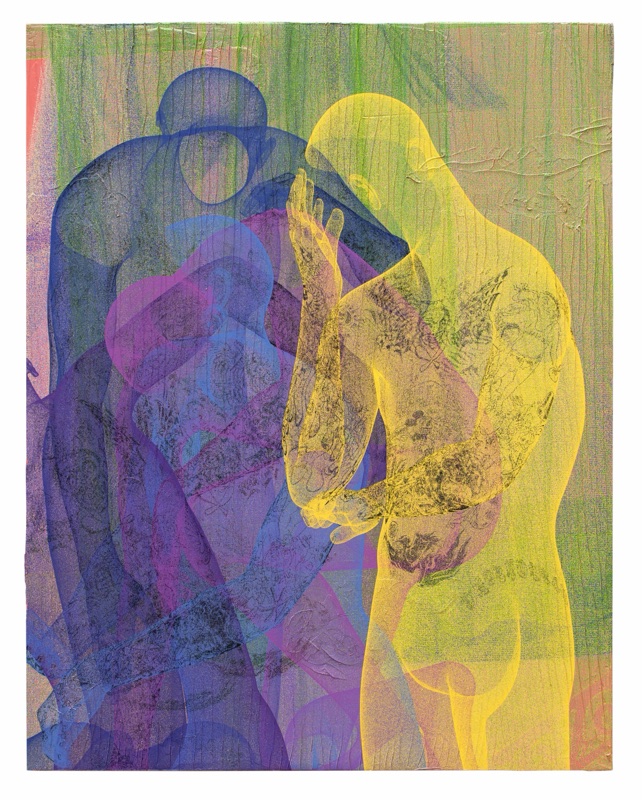
Gefüge. Ich. Eingeräumt., 2025Tim Berresheim202555 × 70 cmArchival Print und Ölmalerei, auf AluminiumträgerTB25/M 182 -
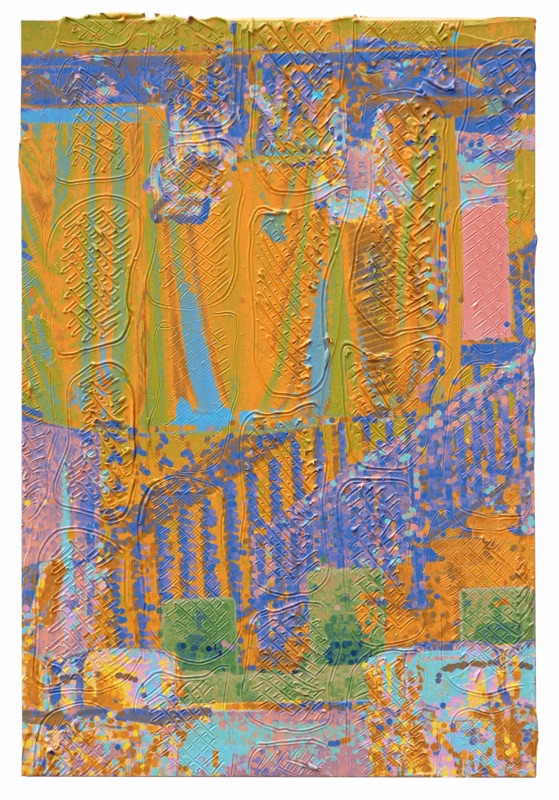
Gefüge. Das grosse Haus. Kaum., 2025Tim Berresheim202522 × 15 cmArchival Print und Ölmalerei, auf AluminiumträgerTB25/M 175 -
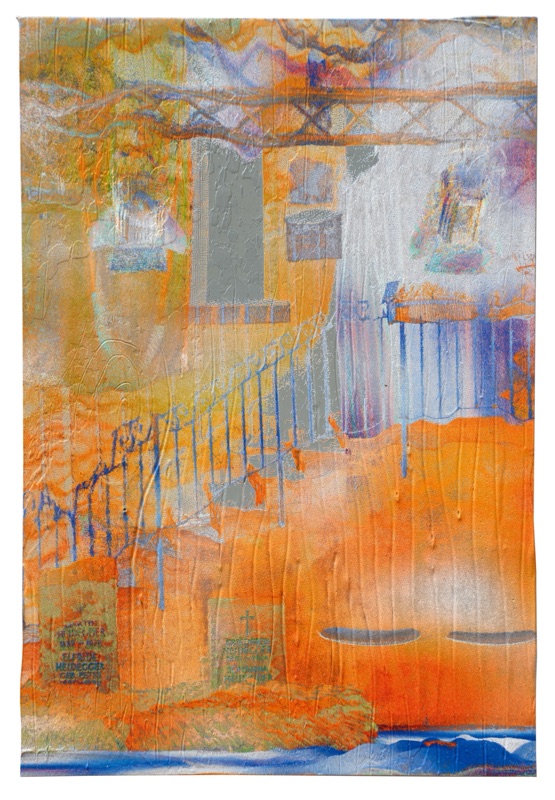
Das Grosse Haus. Beugung. Vorweggenommen, 2025Tim Berresheim202522 × 15 cmArchival Print und Ölmalerei, auf AluminiumträgerTB25/M 173 -
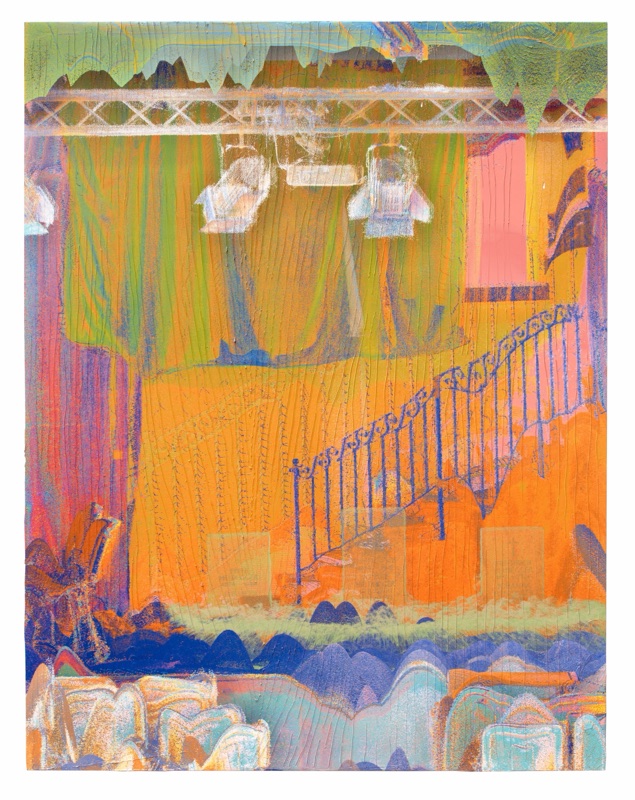
Gefüge. Ich. Entzogen., 2025Tim Berresheim202570 × 90 cmArchival Print und Ölmalerei, auf AluminiumträgerTB25/M 183 -
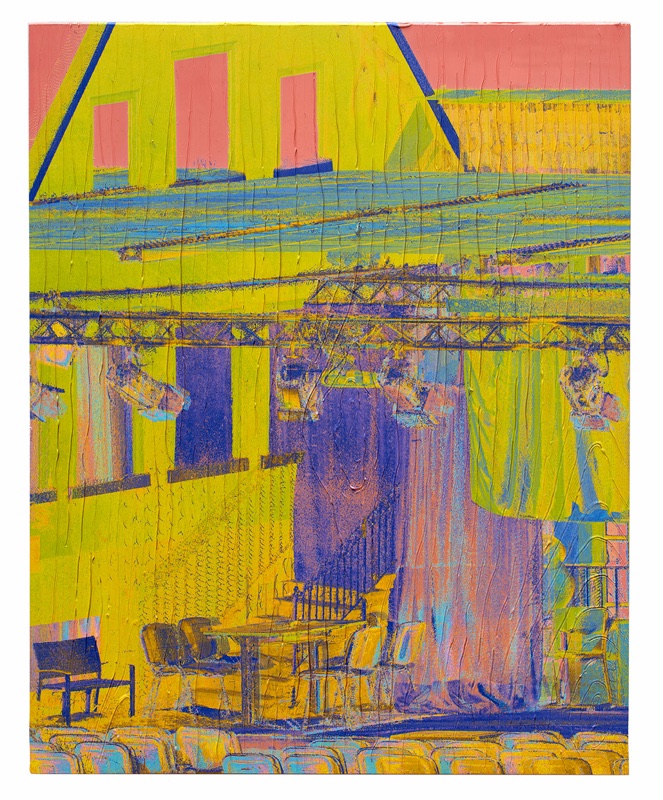
Gefüge. Das grosse Haus. Nachgefasst., 2025Tim Berresheim202532 × 40 cmArchival Print und Ölmalerei, auf AluminiumträgerTB25/M 177 -
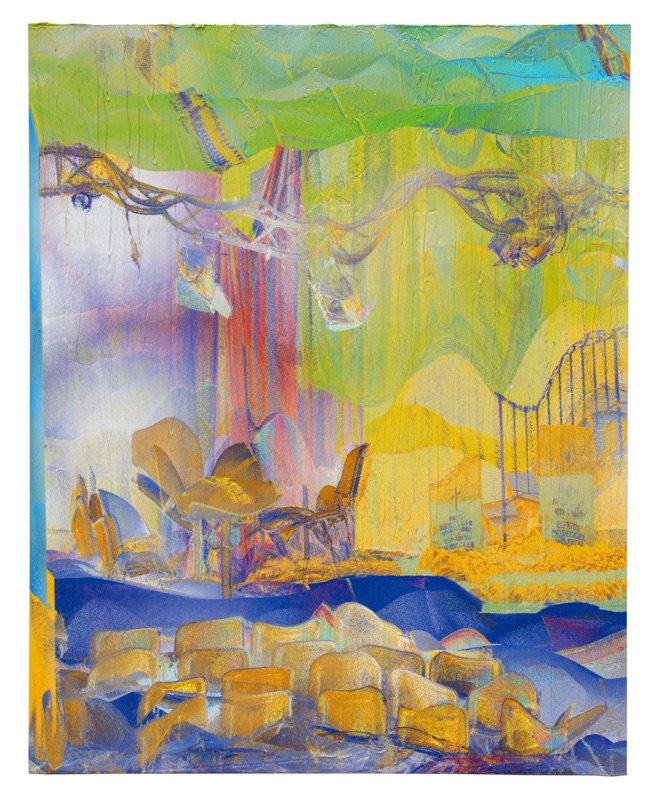
Das Grosse Haus. Beugung. Verhaspelt., 2025Tim Berresheim202532 × 40 cmArchival Print und Ölmalerei, auf AluminiumträgerTB25/M 179 -
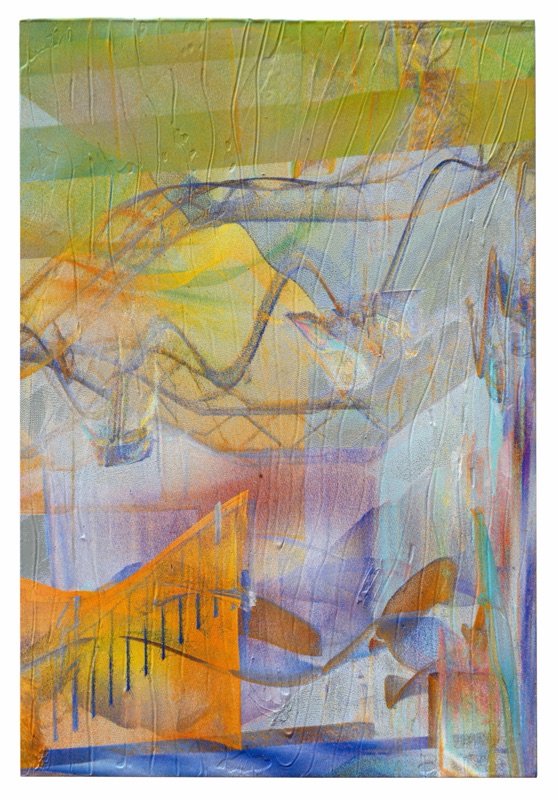
Das Grosse Haus. Beugung. Durchmessen., 2025Tim Berresheim202522 × 15 cmArchival Print und Ölmalerei, auf AluminiumträgerTB25/M 172 -
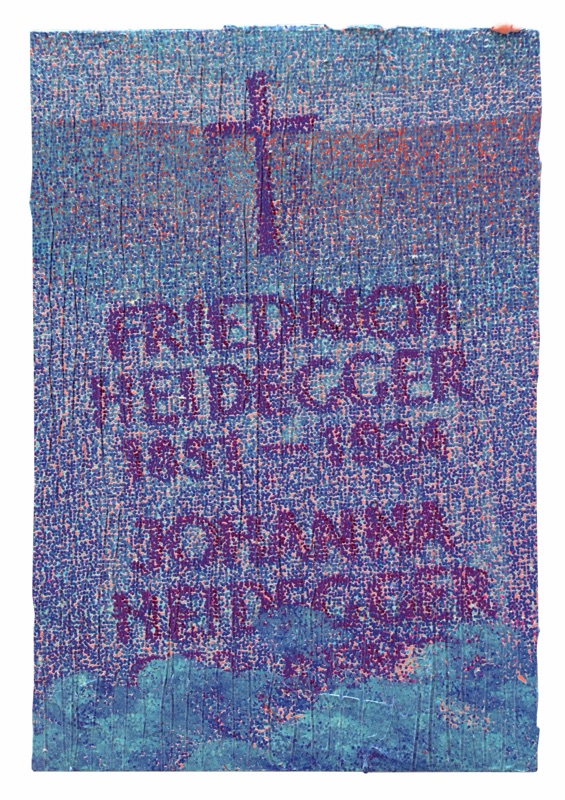
Gefüge. Das grosse Haus. Gewogen., 2025Tim Berresheim202522 × 15 cmArchival Print und Ölmalerei, auf AluminiumträgerTB25/M 174 -
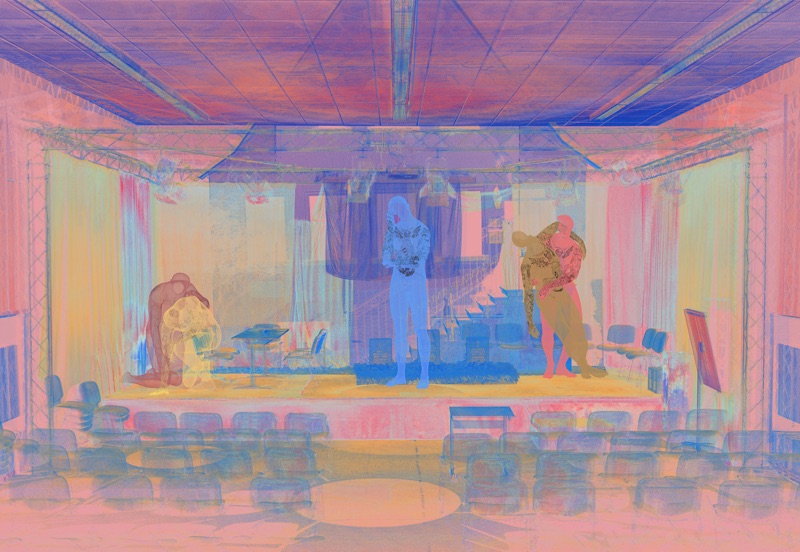
Das Grosse Haus. Ich. Gefüge, 2025Tim Berresheim2025145 × 210 cmFace-Mount Archival Pigment Print hinter Acrylglas, rückseitig auf Aluminium kaschiert.TB25/E 104 -
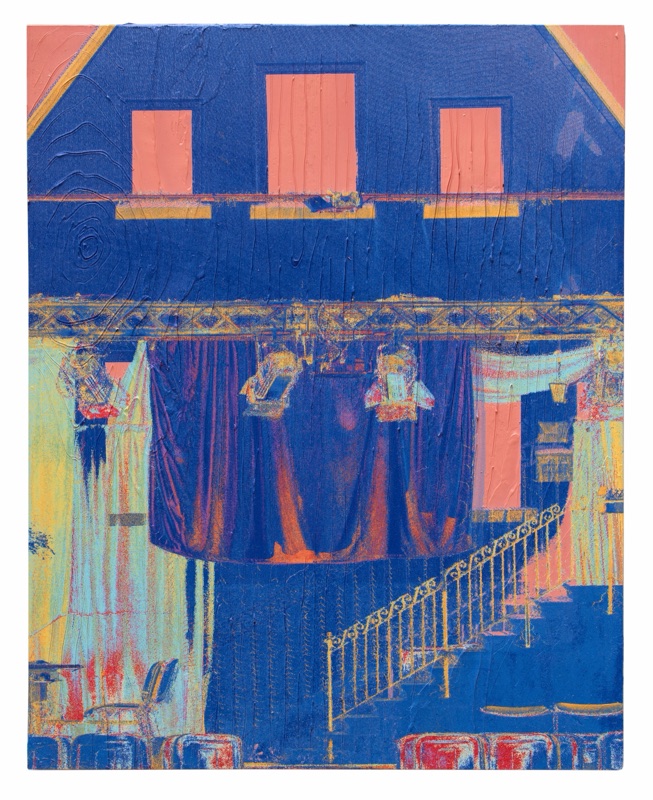
Gefüge. Das grosse Haus. Abgewandt., 2025Tim Berresheim202532 × 40 cmArchival Print und Ölmalerei, auf AluminiumträgerTB25/M 176 -
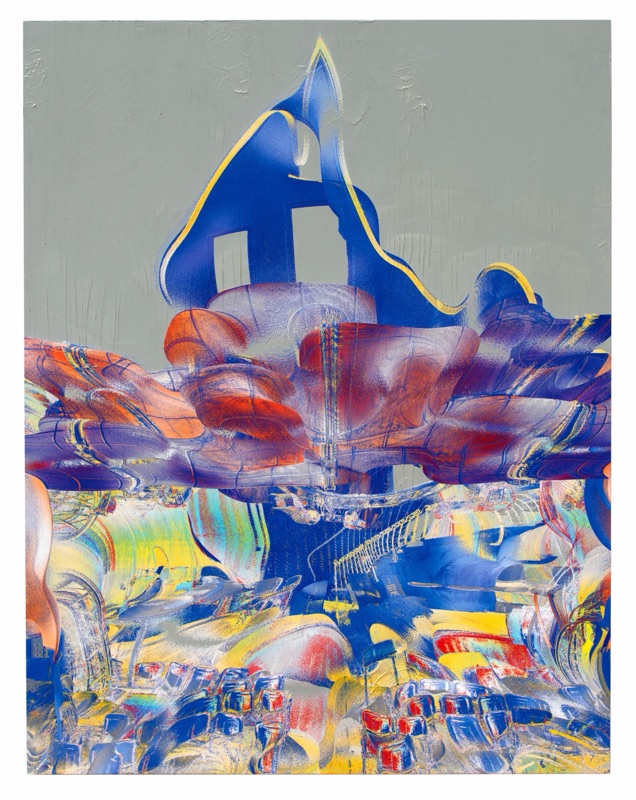
Das Grosse Haus. Beugung. Vorgespürt., 2025Tim Berresheim202570 × 90 cmArchival Print und Ölmalerei, auf AluminiumträgerTB25/M 184 -
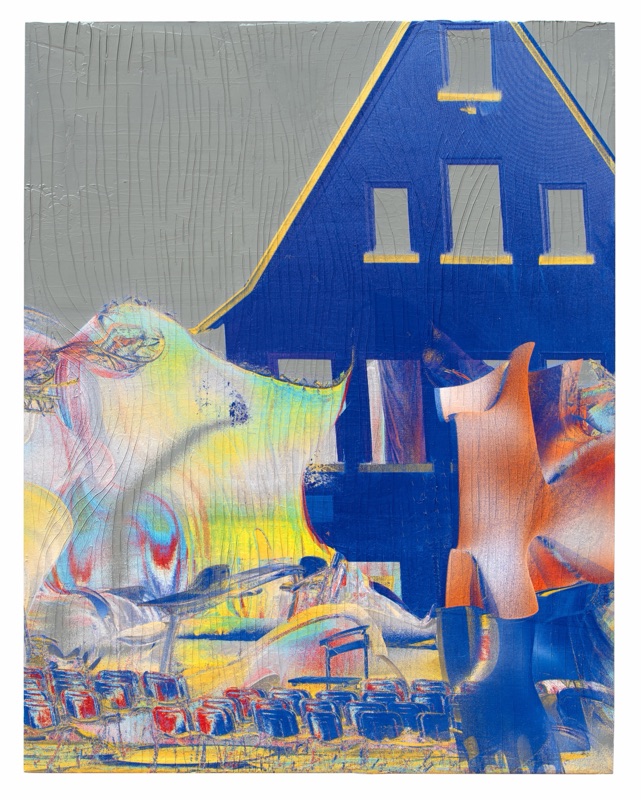
Das Grosse Haus. Beugung. Hineingelichtet., 2025Tim Berresheim202555 × 70 cmArchival Print und Ölmalerei, auf AluminiumträgerTB25/M 180 -

Das Grosse Haus. Beugung. Hinüberreichend., 2025Tim Berresheim202555 × 70 cmArchival Print und Ölmalerei, auf AluminiumträgerTB25/M 181 -

Interregnum - Oddkin V7, 2025Tim Berresheim202570 × 90 cmArchival Print und Ölmalerei, auf AluminiumträgerTB25/M 199 -
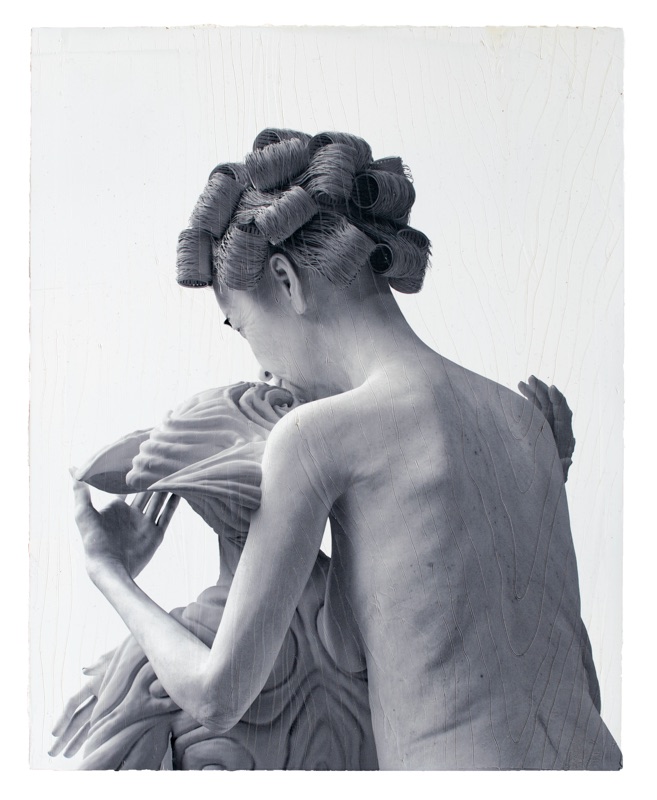
Interregnum - Oddkin M6, 2025Tim Berresheim202570 × 90 cmArchival Print und Ölmalerei, auf AluminiumträgerTB25/M 191 -
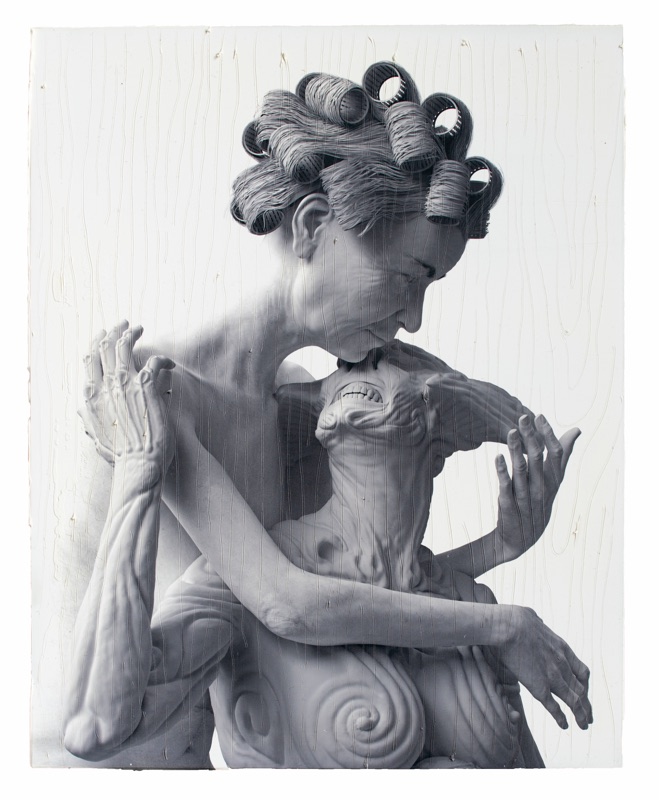
Interregnum - Oddkin M5, 2025Tim Berresheim202532 × 40 cmArchival Print und Ölmalerei, auf AluminiumträgerTB25/M 190 -
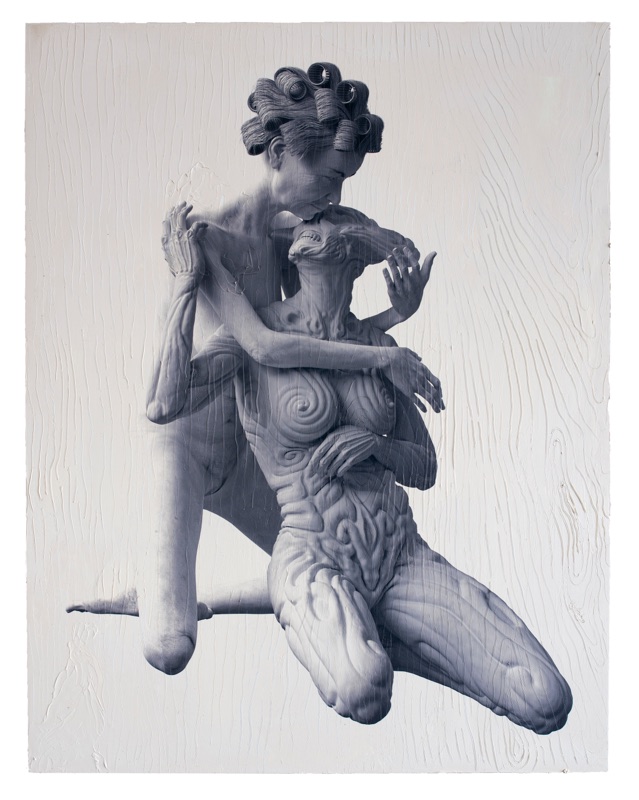
Interregnum - Oddkin M4, 2025Tim Berresheim202570 × 90 cmArchival Print und Ölmalerei, auf AluminiumträgerTB25/M 189 -

Interregnum - Oddkin M3, 2025Tim Berresheim202532 × 40 cmArchival Print und Ölmalerei, auf AluminiumträgerTB25/M 188